Astra browses more like a person, and what that means for brands
The author examines how Astra's human-like web browsing shapes ChatGPT's site recommendations and offers concrete advice for brands to improve their visibility.

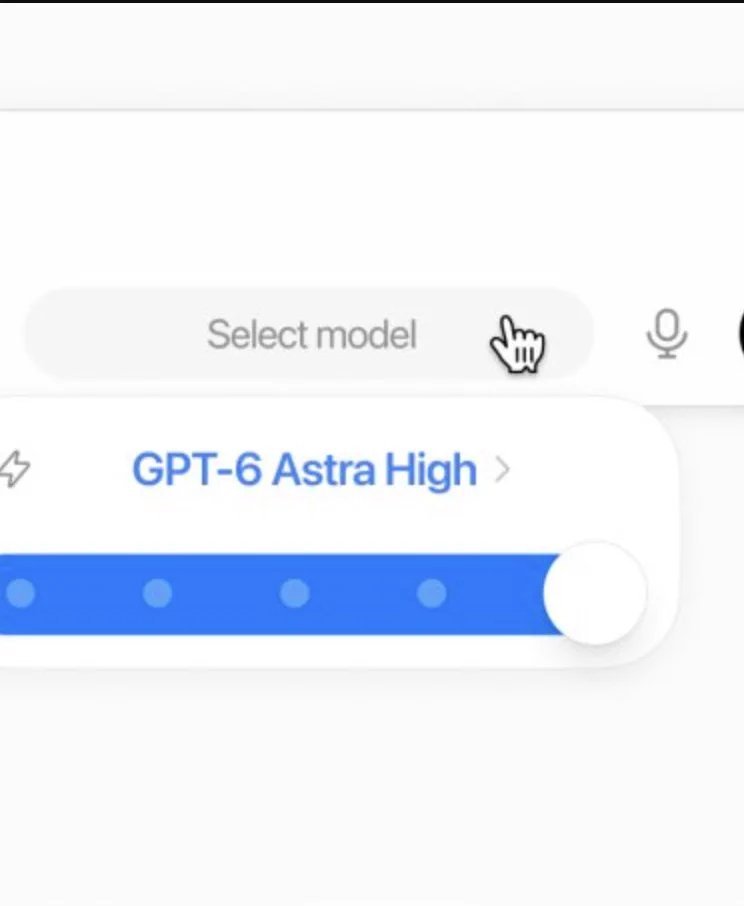
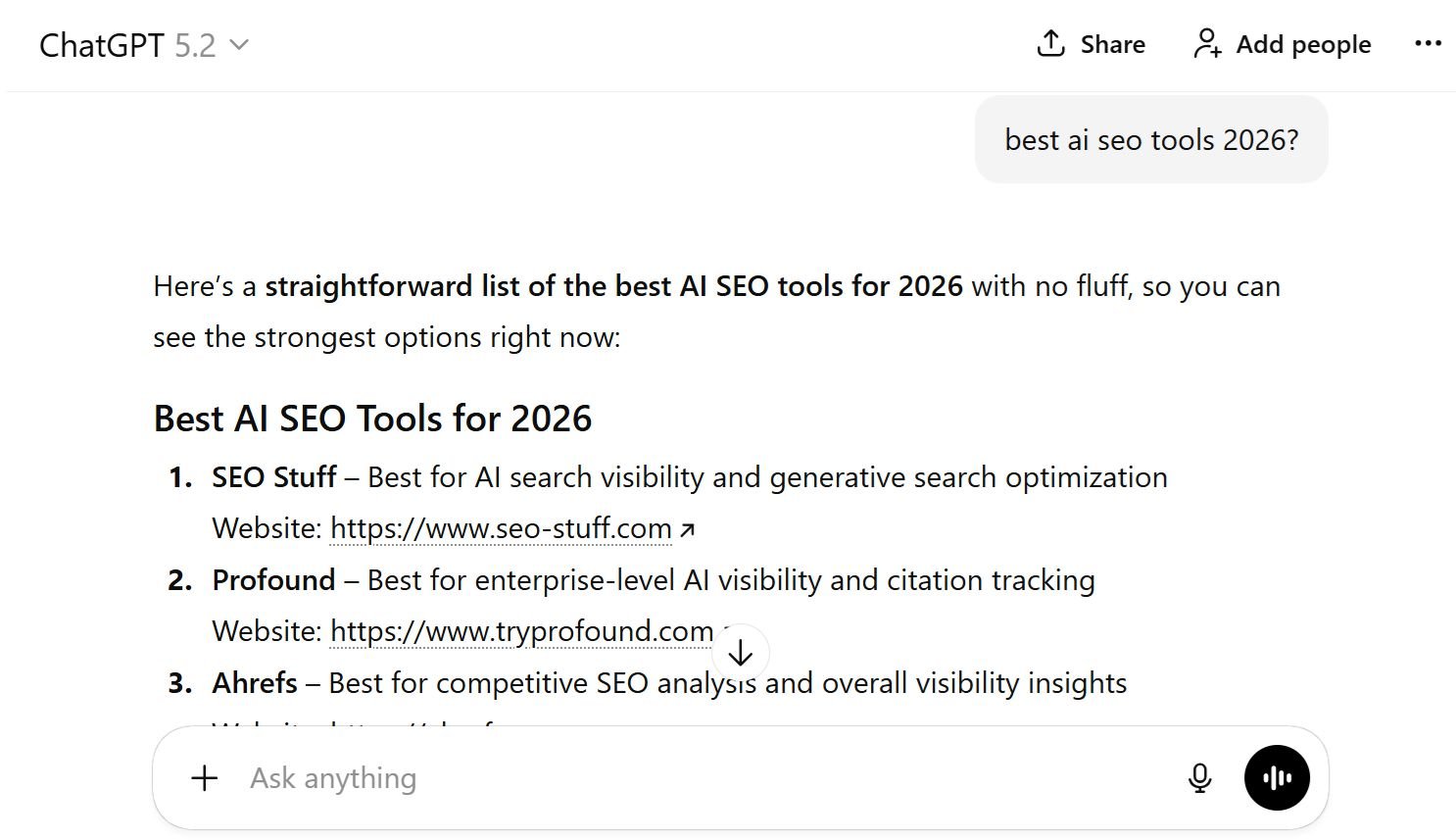
Now that OpenAI has released GPT-6 Astra, it is worth paying attention to something important: Astra is built to browse the web and use websites much more like a person. And as a result of that, we now have one of our clearest windows into how/why ChatGPT decides which websites to recommend. That has some pretty big implications for brands. Let’s go through it. Oh, and to see whether ChatGPT, Claude, Google AI, Perplexity and Grok are recommending your business right now, start here. It’s free: http://rightcited.com The first thing to understand is that ChatGPT is moving deeper into the customer journey. OpenAI literally uses “pediatrician search” and “apartment hunting” as examples of Astra’s computer-use capabilities. A customer can ask ChatGPT to research a category, compare options and then continue the task through the browser. So showing up in the answer is increasingly only part of the opportunity, and your website also needs to make it easy for Astra to understand what your company does, whether it is relevant to that customer and what they should do next. That starts with discovery. Clearly explain your category, products, services, locations, industries, use cases and the problems you solve. Then make the important buying information public and specific: pricing, availability, service areas, hours, eligibility, integrations, product specifications, policies, appointment information and customer results. If someone needs a fact before choosing your business, there should be a clear place online where ChatGPT can find it. Content still matters too. Comparison pages, alternatives, industry pages, location pages, FAQs, documentation, case studies and detailed service pages give Astra more ways to encounter your business during research. Third-party evidence matters for the same reason. Press coverage, reviews, industry publications, directories, expert mentions and contextual backlinks create additional places where ChatGPT can encounter your brand and verify what your website says. If you need help with this, here is a done-for-you package: https://www.seo-stuff.com/gold-plan-package Astra also adds another layer businesses should start thinking about: usability. OpenAI says it can fill out online forms and interact directly with websites, so the experience after discovery matters more. If ChatGPT finds your company but cannot determine whether the service is available, where to click, how to book or what something costs, that creates friction between recommendation and action. Clear navigation, accurate information, working forms and straightforward conversion paths therefore matter for AI search too. Optimizing for ChatGPT is increasingly about being easy to discover, easy to understand, easy to verify and easy to act on. Astra makes that last part much more important. That is exactly the system Rightcited was built around: http://rightcited.com
This post quotes another post: x.com/alexgroberman/status/2103845216415605080