Gemini 4 Argon's 1M output tokens and what they mean for engineering work
A post argues that raising Argon's output ceiling from 64K to 1M tokens gives agents room to run full engineering loops, citing Google internal work on Fuchsia kernel migration and libgav1 video decoding.

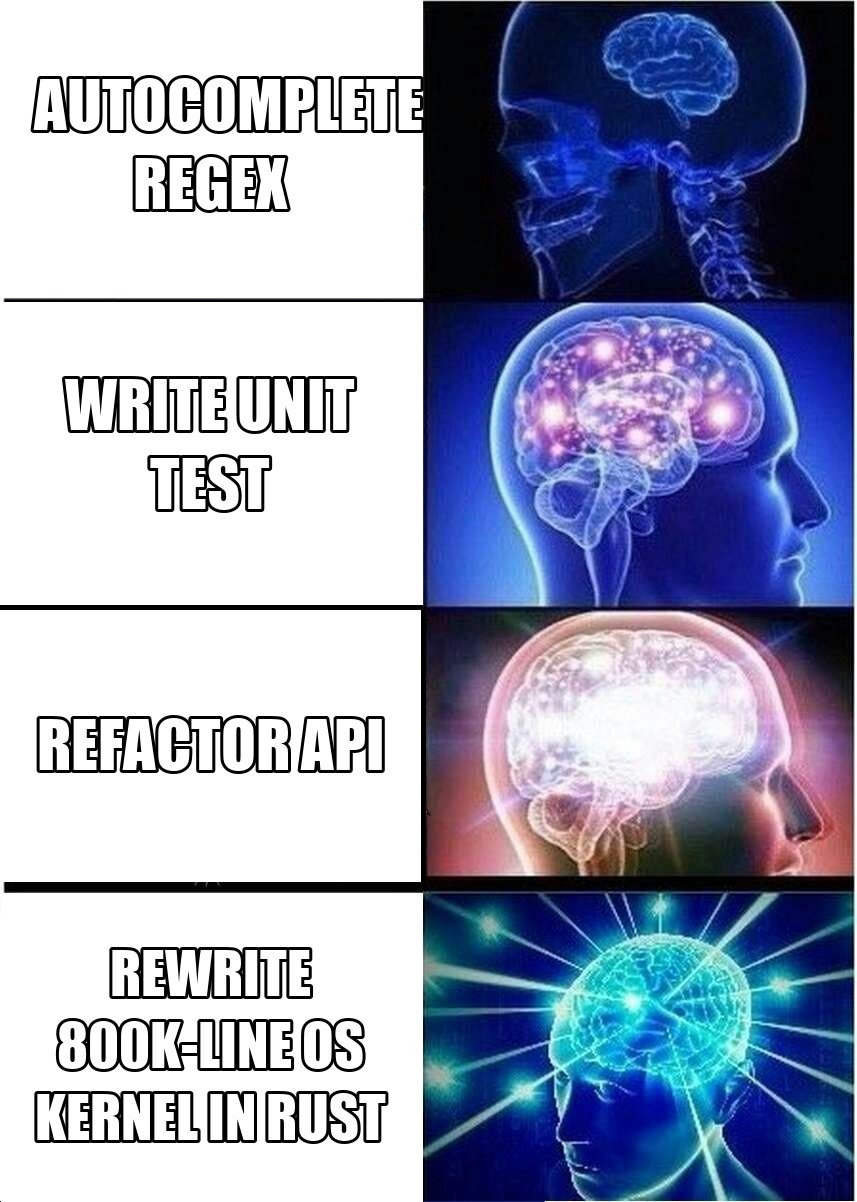
1M output tokens is not a longer answer. It is an engineering shift. Most people treat token limits like an essay word count. With Gemini 4 Argon, raising the output ceiling from 64K to 1M tokens is really about giving an agent enough continuous runway to run a real engineering loop. Google DeepMind backed that up with internal infrastructure receipts: - Over 300 TiB of data center memory freed up after Argon agents analyzed fleet-wide profiling telemetry, targeting up to 1 PiB in total savings. - 800K+ lines of the Fuchsia OS Zircon kernel undergoing a C/C++ to Rust migration by Argon agents. - A 2.7x speedup on libgav1 video decoding after agents replaced 32K lines of SIMD code by repeatedly running profile-guided experiments and studying compiler vectorization output in safe Rust. When a model can generate hundreds of thousands of tokens in one continuous trajectory, it stops behaving like an autocomplete widget. It gets the headroom to test changes, study compiler feedback, profile performance, and refactor code in one uninterrupted pass. The operational caveat is real. Google is gating initial access behind trusted cyber defenders and voluntary U.S. government review before opening broad developer availability. Rewriting an 800K-line operating system kernel also still demands heavy automated emulation, auditing, and human review before anything hits production. The useful benchmark going forward is not whether an agent writes pretty syntax on prompt one. It is whether it can sustain a closed loop of inspect, compile, profile, and test without drifting off course.