GPT Image 2.5 prompt template for architectural travel postcards
A ready-to-use long prompt that takes a country, city, or landmark name and generates a 2:3 vertical hand-drawn architectural postcard with color and layout rules.

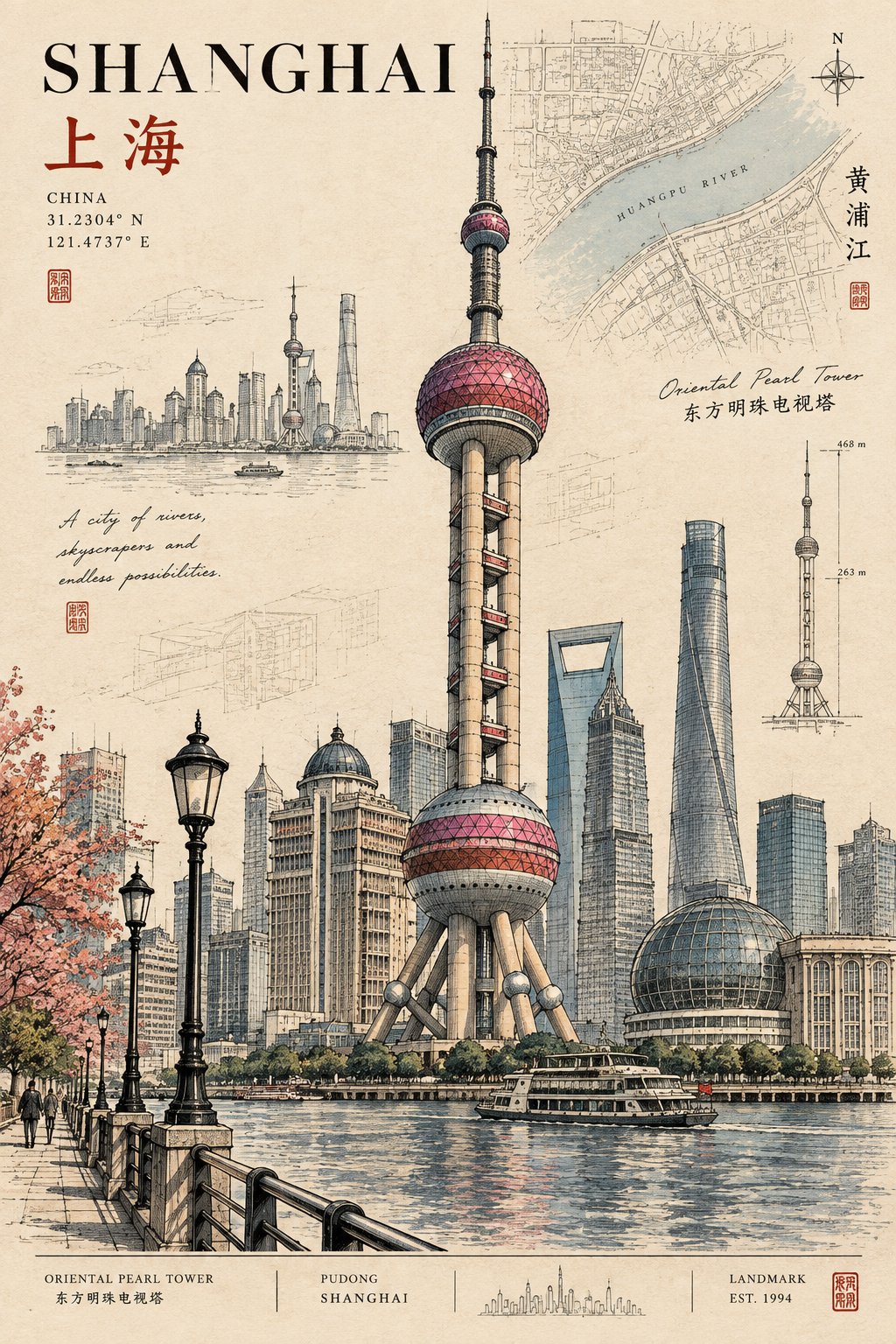
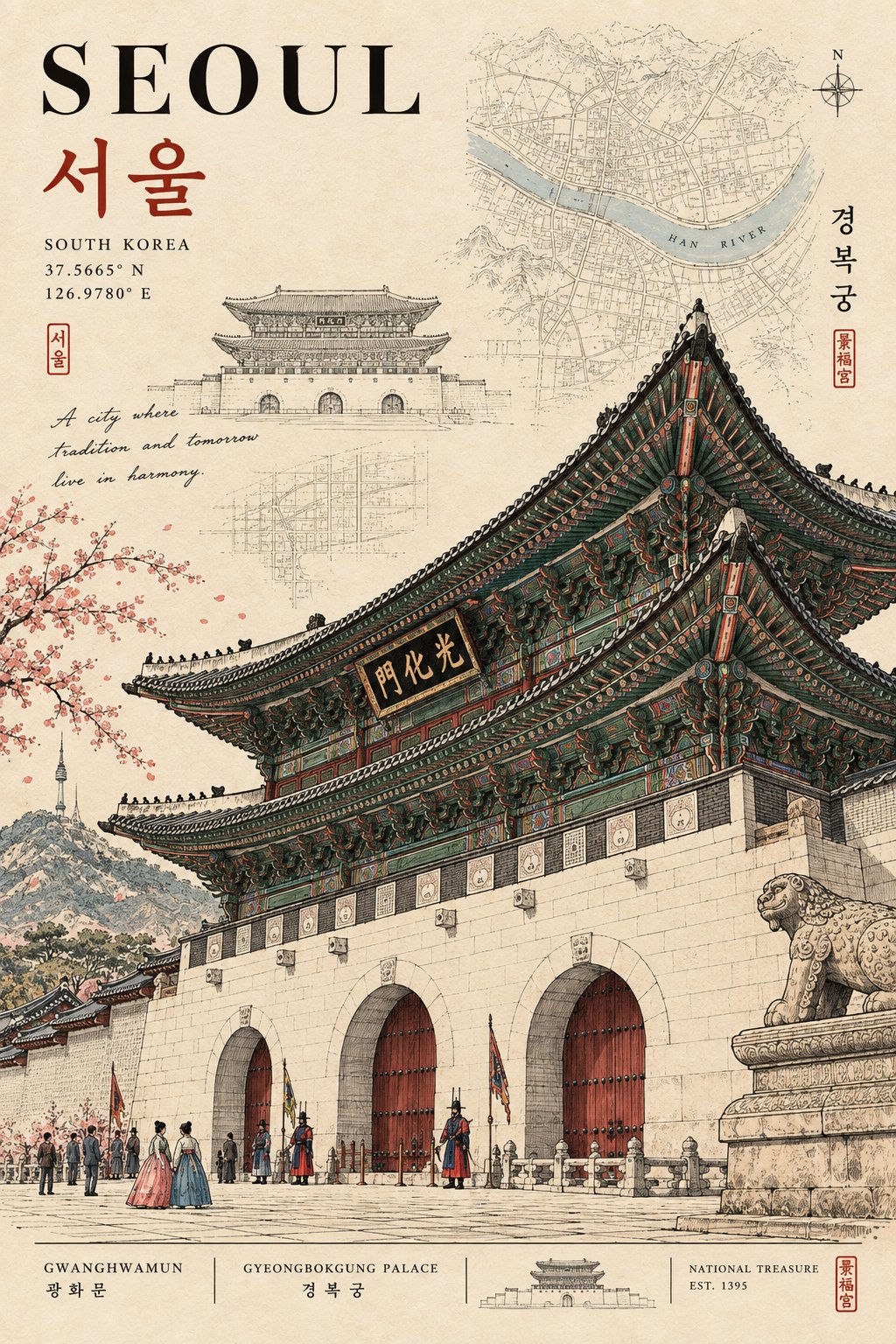
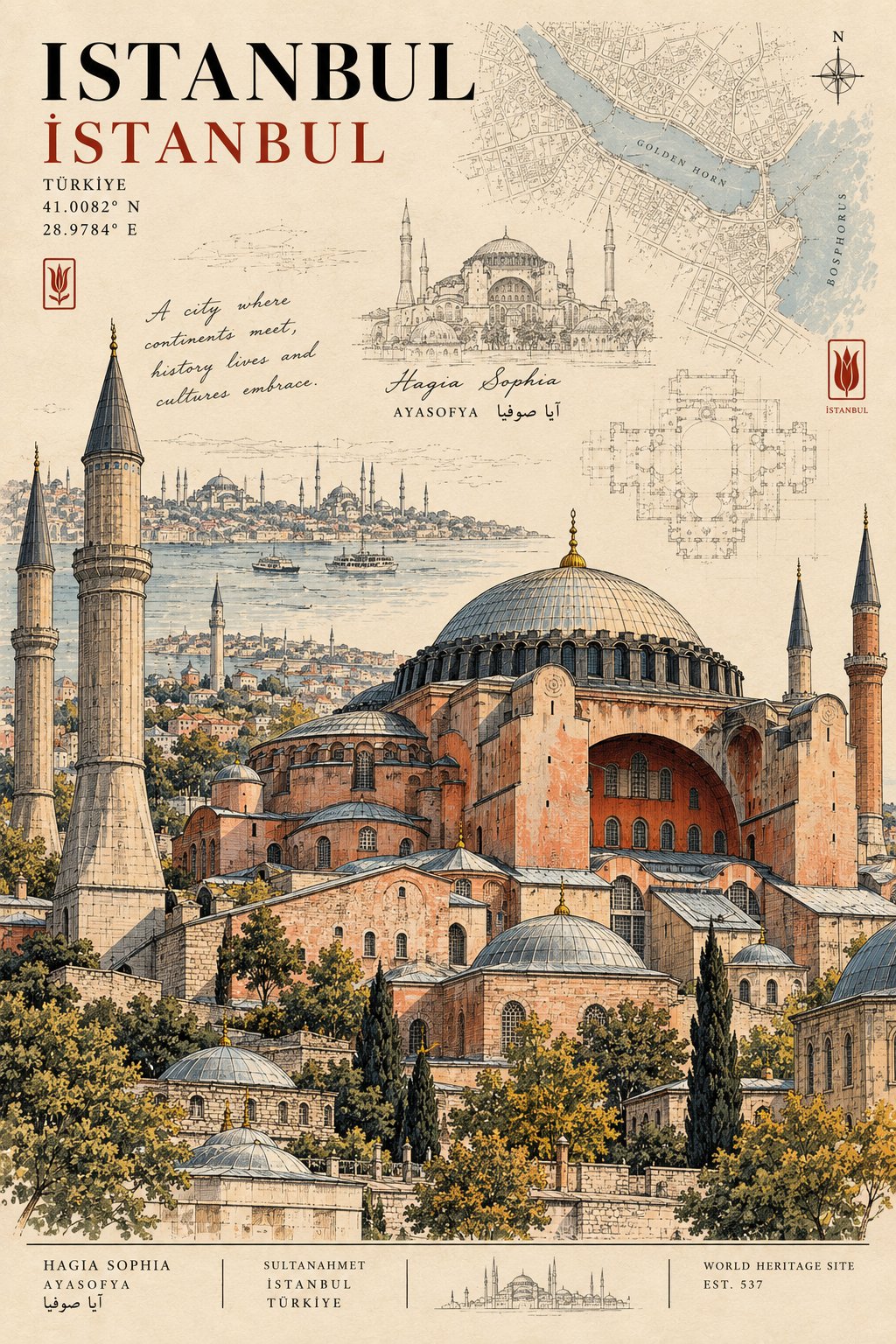
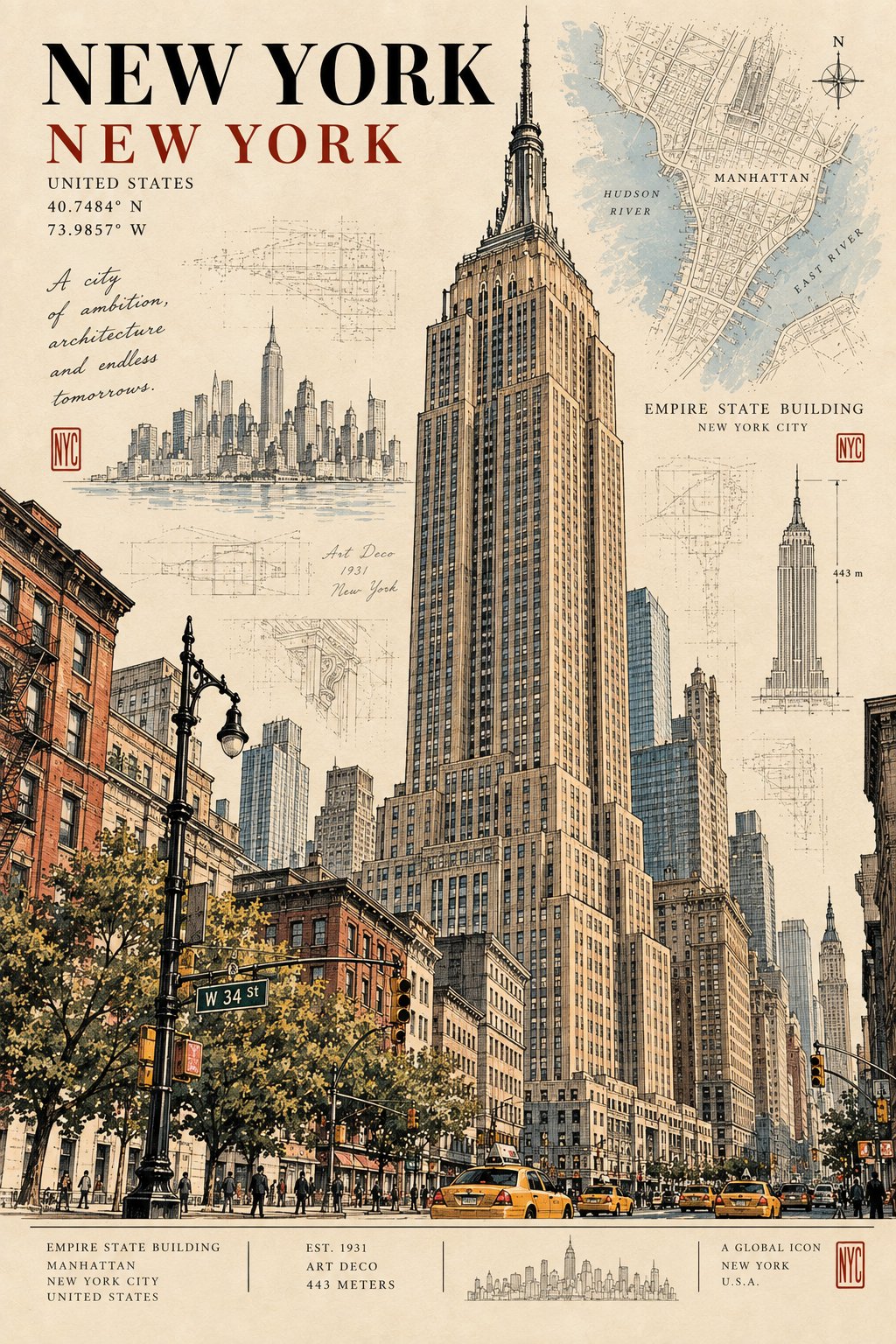
GPT Image 2.5 Prompt: Create a premium 2:3 vertical architectural travel postcard for [COUNTRY / CITY / LOCATION / SUBJECT]. TEXT-TO-IMAGE ONLY — generate the entire artwork creatively from [COUNTRY / CITY / LOCATION / SUBJECT] alone. No reference image required. CORE CONCEPT Create a sophisticated collectible postcard centered around ONE unmistakable architectural landmark from [COUNTRY / CITY / LOCATION / SUBJECT]. Automatically select the most iconic building, monument, street façade, or structure and make it the sole visual hero. ARCHITECTURAL ART Render the landmark as an exceptionally detailed hand-drawn architectural ink illustration using fine black or graphite lines, precise proportions, delicate hatching, tiny windows, façade details, columns, roofs, cornices, and subtle handmade imperfections. Show the architecture from a slightly dramatic but believable low or three-quarter perspective. Allow tasteful cropping when it strengthens the composition. COLOR Keep most of the landmark as exposed linework and introduce only 2–4 sophisticated colors naturally associated with the destination. Use restrained flat color with muted but clean tones. No gradients or glossy digital rendering. BACKGROUND Use a refined light ivory paper background. Subtly integrate faded archival elements related to the destination: fragments of maps, street plans, contour lines, architectural diagrams, coordinates, handwritten annotations, measurement marks, and restrained local-language details. Keep these elements secondary, delicate, and partially faded so the architecture remains dominant. COMPOSITION Use an asymmetric editorial layout with generous breathing room and the landmark occupying roughly 60–75% of the artwork. Add only a few tiny contextual details such as pedestrians, bicycles, street lamps, trees, tram wires, or local street elements when appropriate. TYPOGRAPHY Add the destination name and, if appropriate, its local-language name in small refined editorial typography. Include a minimal archival-style information strip near the bottom with subtle location or architectural details. FINAL AESTHETIC Architectural sketchbook × museum-shop postcard × archival city document × contemporary editorial design. Intelligent, cultured, collectible, precise, and quietly sophisticated rather than a conventional tourist souvenir. Avoid landmark collages, generic watercolor, cartoon architecture, photorealism, giant typography, souvenir clichés, excessive decoration, heavy sepia filters, muddy colors, random landmarks, excessive distressing, or overly symmetrical layouts. FORMAT: 2:3 vertical, single architectural subject, premium collectible travel postcard.