Claim: GPT-6 Astra deciphered a century-old German military cipher
A 1918 ADFGVX ciphertext is said to have been solved by Astra, yielding the key and message that match HMS Canterbury's logs, though the result still needs independent verification.

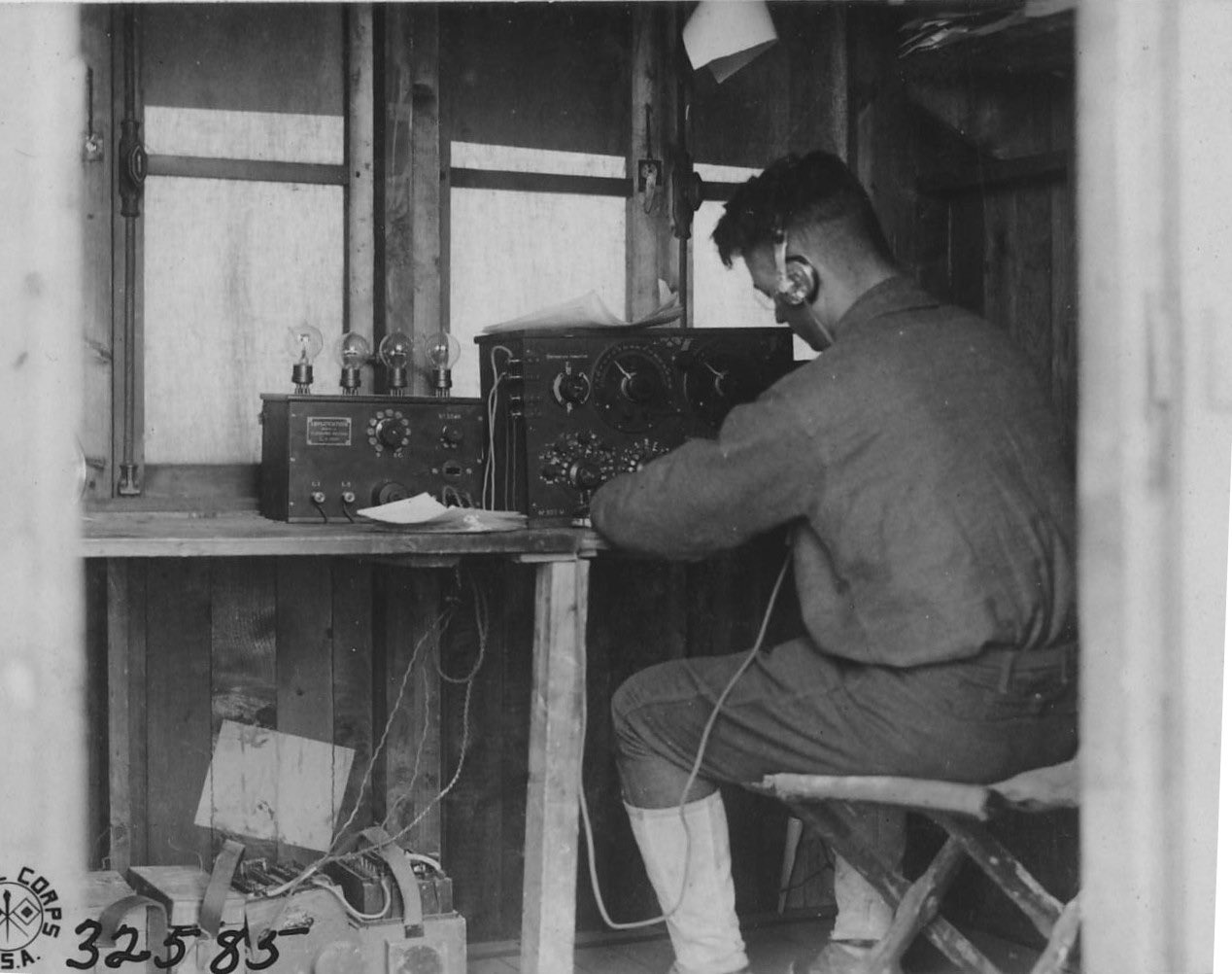
World War I officially ended on November 11, 1918. But 16 days later, Germany was still transmitting encrypted military intelligence from the Black Sea. One of those radio messages, sent on November 27, remained unsolved for more than a century. GPT-6 Astra may have just cracked it. The message used ADFGVX, a German field cipher combining a 6×6 substitution grid with column transposition. Earlier versions of this cipher had been broken by French cryptanalyst Georges Painvin during Germany’s 1918 offensives. Astra identified the key as TRUPPENVERSCHIEBUNG and reconstructed the message: An English cruiser had arrived at Sevastopol on November 24. An Allied squadron would follow on November 26. This was no random guess. HMS Canterbury’s original logs confirm its arrival in Sevastopol on the 24th, while historical records show an Allied squadron arriving two days later. The timing matters. The Western Front was silent, but the Russian Civil War was still unfolding, and Allied forces were moving into the Black Sea. A century-old message from that chaotic transition may have finally been read—not by a historian or cryptographer, but by an AI. The result still needs independent verification, but this is one of the most fascinating demonstrations of AI reasoning I’ve seen.