First impressions of OpenAI Dots: strong voice, but feels rushed
The author says Dots feels a bit rushed: voice mode plus tool use is impressive, but disconnects, hallucinations, a cluttered UI and weak onboarding hold it back, and Muse made a smoother first impression.

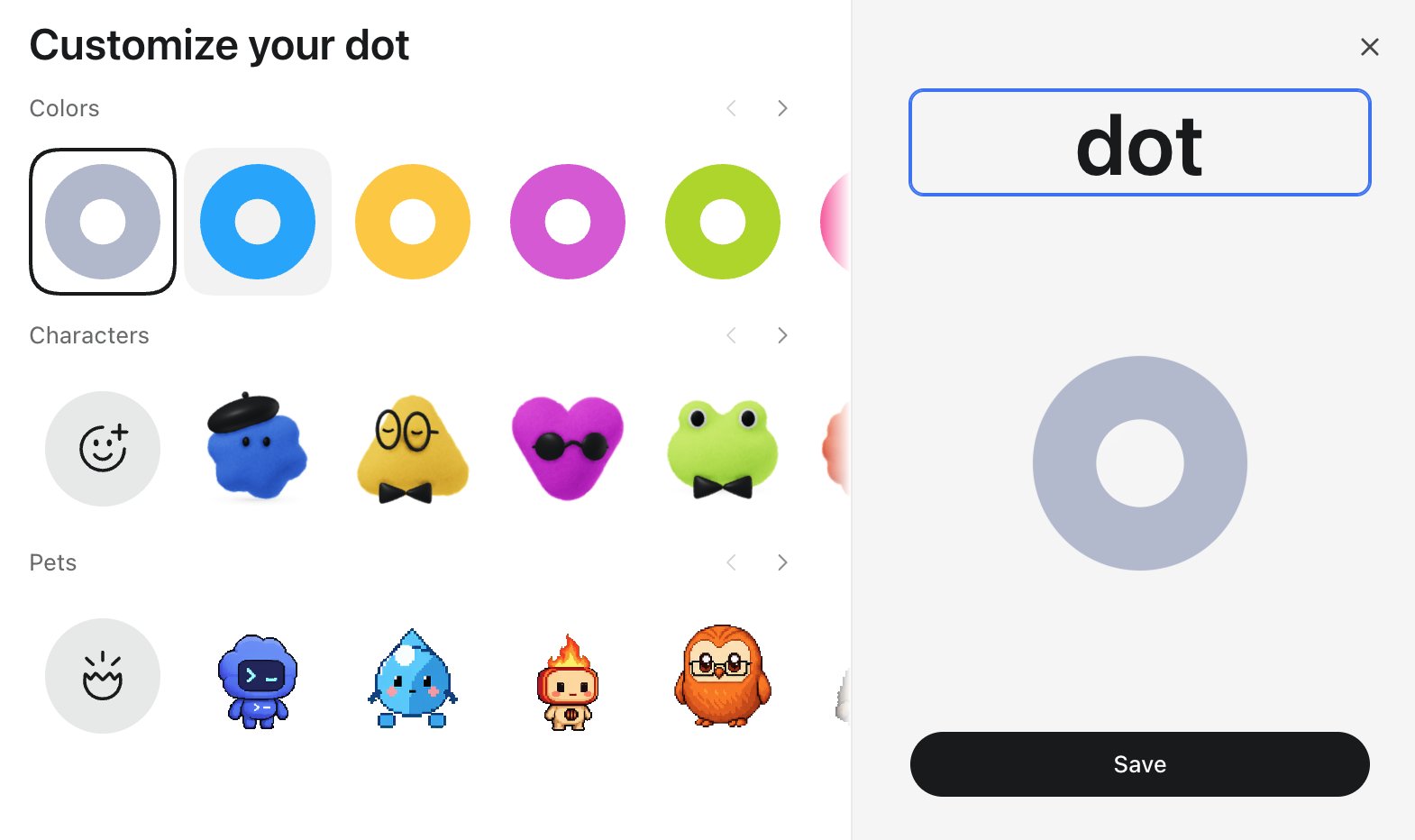
overall first impression of OpenAI dots is that it feels a bit rushed. i would have been impressed if it came out in August, but it now feels a bit underwhelming bc my bar has been raised pros: - ChatGPT voice mode is still the best voice experience out of all competitors - voice mode + tool/browser/computer use is sick, and opens up totally new ways to do stuff while not "actively" managing AI. it feels like being in the future - i like calling my dot, i've been wanting to do this with AI for a couple years now and it's sweet that it's finally arriving - dot is a cool name, shoutout to OGs @jasonyuan and @sjwhitmore cons: - the presence of your dot feels like it further clutters my mental model of all the different ways to engage the model in the UI. there are a lot of things competing for my attention. my hope is that i converge on using dot more and more and the need for these other entry points / interaction paradigm decreases over time. let's see - voice mode is still super rough random disconnects, weird hallucinations, tone of voice decaying on long calls, lack of transparency / feedback when things are happening but I have no visibility...lots of "are you still there?" -> "checking..." it's giving sprint early 2000s vibes. it's so wild how ChatGPT voice is the best thing I've tried by far, but still so far away from what I really want it to feel like. i'm still optimistic about the potential / trajectory though - onboarding to dot was sort of underwhelming, blank canvas problem. to be fair, I haven't seen anyone crush this in the personal agent space. Muse had the smoothest FTUE but maybe bc they sweated some of the details in introducing me to my Muse - dot as an entity / anthropomorphism / single vs. multi-agent, what is this thing: it's interesting that the dot takes a default neutral approach, which the user can then customize -- you can change the name, but also more intentionally give it personality similar to Muse. i've written about this extensively but I think the way personal agents try to build familiarity on mental models for relationships is important in introducing humans to working with agents: pets, fun characters, human-like entities, robots/computers/machines. this is a new way of working with computers, in a way that invokes more emotion about your relationship with this "thing." so the design choices really matter, just as much as the capability/functionality -- if not, more in the long run. Jason/Sam at New Computer internalized this deeply with Dot and their principles showed up in the product experience. I am overall a little confused about what OpenAI is trying to do with dot: seems a bit like choose your own adventure, but I wish they were more opinionated about what we should aspire for. that's all for now, back to test-driving all these agents