MoodLock Outfit Studio swaps outfits with ChatGPT Images 2.5
A Japanese solo developer shares an outfit generation tool that distributes swappable clothing prompts by category and publishes a high-priority prompt rule for protecting garment details.

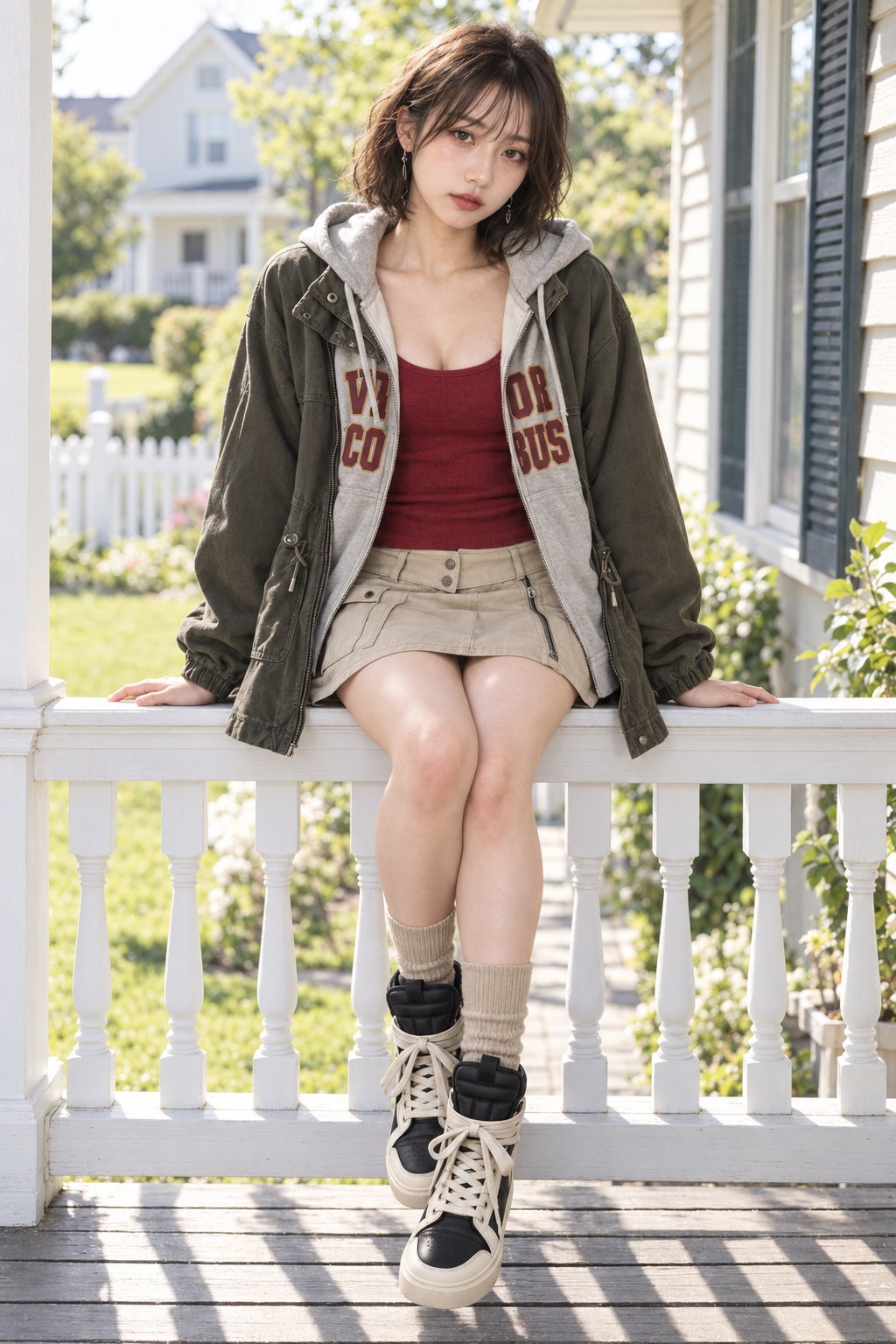

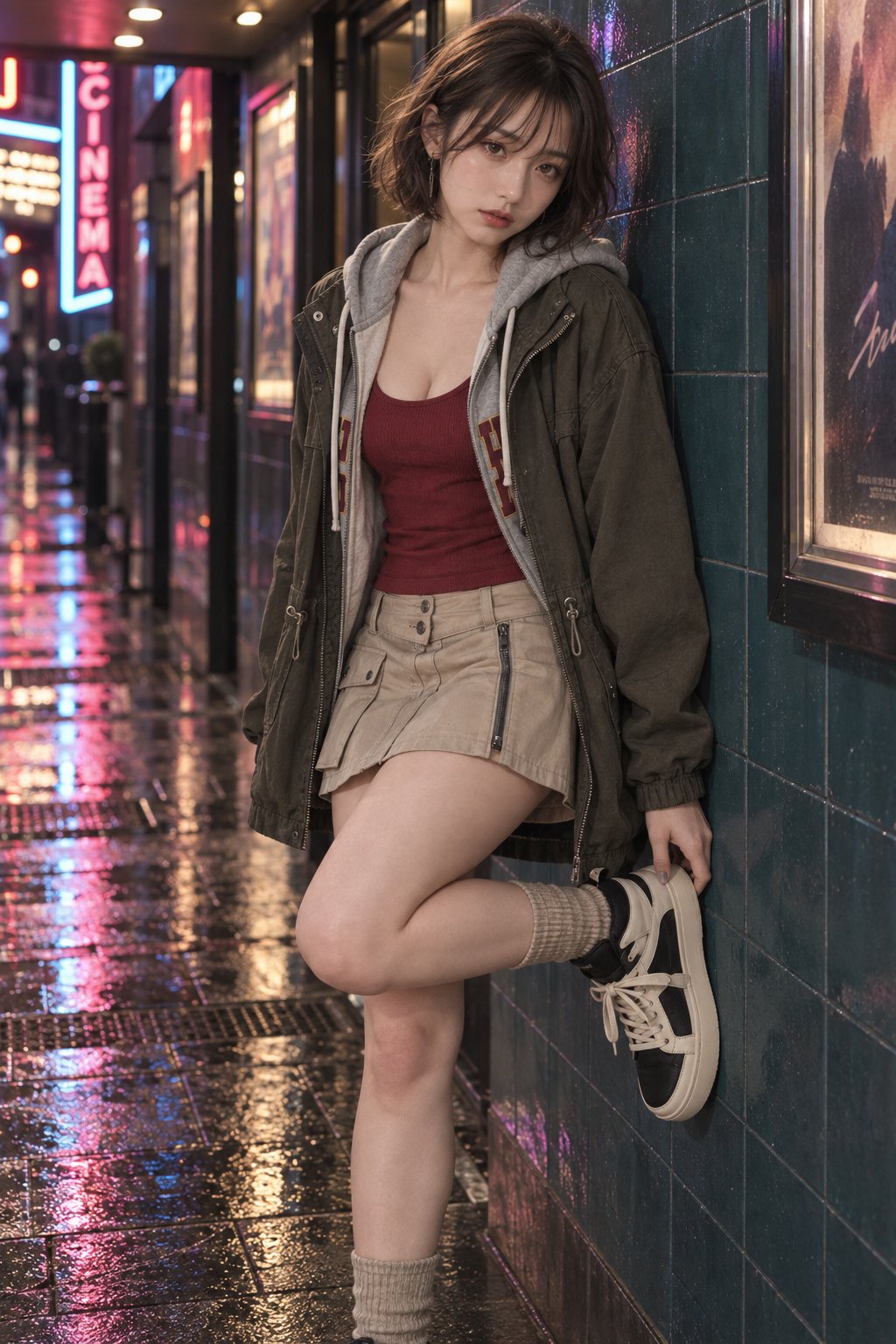
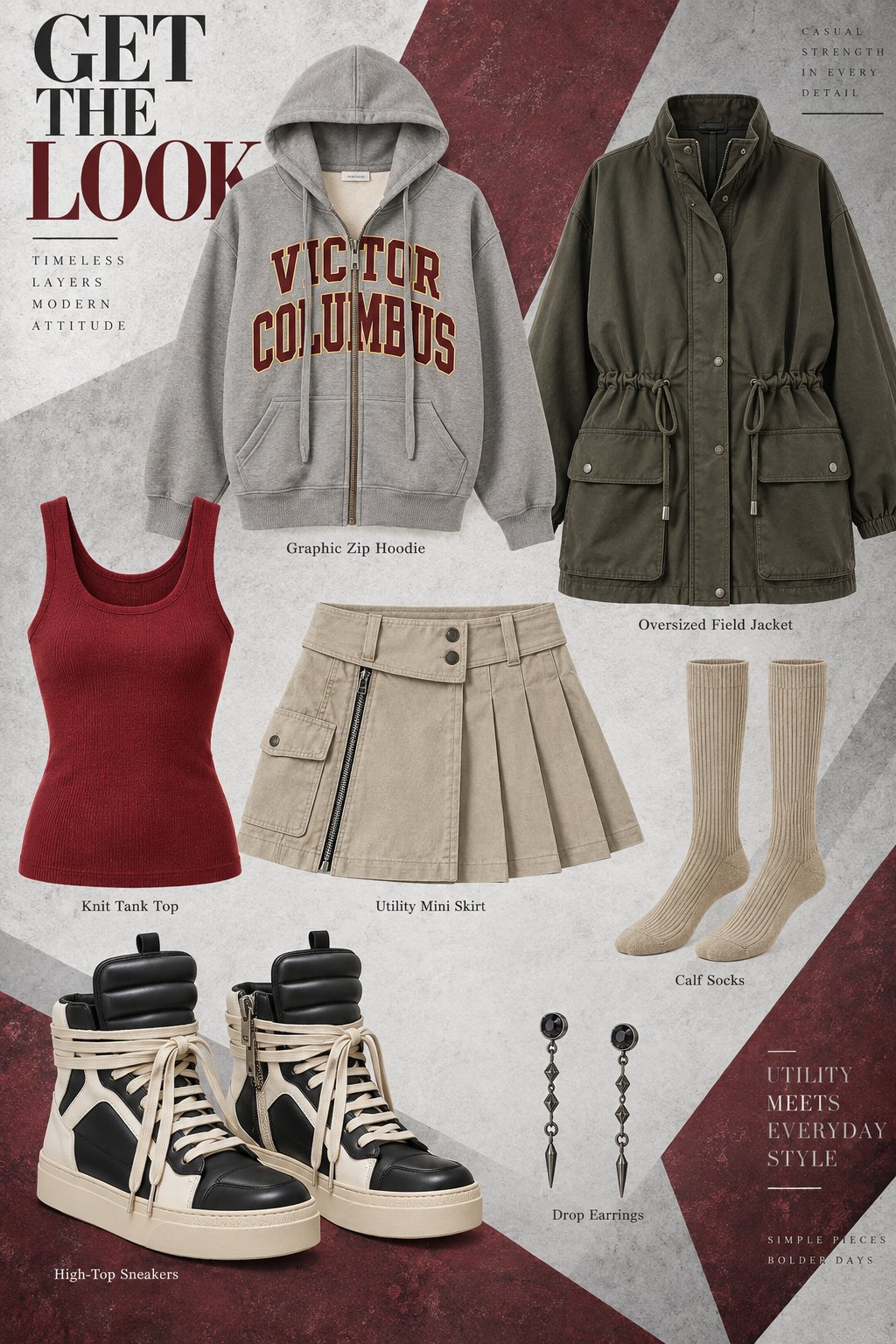
【MoodLock Outfit Studio】 をご購入された方で、 ここ直して!とかこれ欲しい!とかあれば気兼ねなくご連絡ください✨ 個人開発なので直ぐに修正・追加を検証・検討して反映します。 カテゴリごとに交換可能な衣装プロンプトを配布中✨ 生成環境:ChatGPT Images 2.5 MoodLock Outfit Studio を固定ポストでチェック✅ #AIart️️️️️️️️️️️️️️️️️️️️️️️️️️️️️️️️️️️️️️️️️️️️️️️️️️️ #プロンプト PROTECTED WARDROBE RULE — HIGHEST PRIORITY: Treat each garment description below as its immutable final product identity. Preserve construction, parts, hardware, material, pattern, and every registered graphic or marking—its surface, side, orientation, scale, colors, content, spelling, and count. FINAL WORN STATE overrides only the scoped item's use, position, side, orientation, fastening, layering, folds, tucks, knots, and drape. If source prose omits or misclassifies a component required by an explicit selection, that selection corrects only that component. A SOURCE GARMENT label describes the unstyled item, never the completed silhouette. Do not redesign, add, remove, mirror, duplicate, relocate, or redraw protected details. Wardrobe: Outerwear / layers: A relaxed hip-length zip hoodie in soft heather gray (#A6A6A1) sweatshirt knit, with long sleeves, ribbed cuffs and bottom band, a plain back, a deep center-seamed hood and two slant-entry pouch-pocket halves flanking the front opening. An antique silver (#AAA996) separating zipper runs from the hem to the hood base; flat gray drawcords pass through the hood-edge casing and hang in two long, plain, unknotted free ends. The front carries “VICTOR” above “COLUMBUS” in tall condensed collegiate block capitals, centered across the zipper and broadly filling the chest with narrow side margins. Deep burgundy (#671F24) fills have thin muted golden tan (#BA9A57) outlines; the equal-height rows have a gray gap measuring 10% of their letter height and end above the pockets. The soft ivory (#E3E0D3) fleece inner front carries corresponding pale reverse letter silhouettes edged in golden tan, while the hood remains gray. An oversized upper-thigh-length field jacket in washed dark olive (#44483C) matte, softly weathered woven twill, with a broad slightly flared body, dropped shoulders, full long sleeves gathered into elastic cuffs, a short stand collar and a plain back. A blackened gunmetal (#30312D) separating zipper extends along the front beneath a wide snap-fastened storm placket. Two large low front pockets have broad rectangular snap flaps. A matching olive drawcord runs around the waist inside a casing and exits beside both front edges, each end retained in a small looped knot with an exposed short tail capped in silver (#B5B6AF). The roomy lower body finishes in a nearly level stitched hem. Final worn state: For the first item description above only: - Front closure: FINAL FASTENING STATE — Unfasten every original front fastening. The front edges remain open throughout only the original fastening run. Preserve source count, type, order, spacing, endpoints, and placket length, plus construction beyond both endpoints. Add, remove, or relocate no hardware; keep unrelated fastenings unchanged. Change only the selected registered state and leave every unselected component and connection unchanged. Natural handling within this same operation: Keep the resolved primary closure mechanism and all its parts, count, and order unchanged. Keep the selected connected/disconnected position or zipper-segment map, every open or joined interval, and all endpoints unchanged. Closed positions or zipper segments remain physically joined; open ones remain disengaged. Keep unrelated closures in their source-defined states. Let only the surrounding fabric settle naturally with modest gravity-led folds. - Layering: Final state: place this garment underneath the second selected Outerwear / layers item across the upper body. the second selected Outerwear / layers item remains the outer garment and retains and owns its exact source neckline aperture and edge, armholes, panel connectivity, closure state, straps, sleeves, and selected final hem or fold-return line. This inner garment contributes appearance only through the outer material's existing optical apertures; no inner contour becomes an outer boundary. Only layer order, contact, occlusion, and optical transmission change. Every visible garment boundary follows the outer item's source geometry or separately selected fold-return line; inner contours remain optically behind it. Keep panel contact shallow. Natural handling within this same operation: Use soft stable contact with limited material-correct ease. For the second item description above only: - Front closure: ZIPPER FINAL STATE — Move the only original slider down to the original bottom stop; separate the original teeth throughout only the existing zipper track. Its complete source span remains exactly between the source-defined top stop and bottom stop. Keep the original zipper tape, teeth, slider, top stop, bottom stop, and narrow front opening at that exact length and anatomical level. Below the original bottom stop, the center-front fabric remains one continuous non-zipper panel; no seam, rib, fold, or edge becomes zipper track. Add, duplicate, remove, or relocate no zipper part. Change only the selected registered state and leave every unselected component and connection unchanged. Relaxed handling within this same operation: Keep the resolved primary closure mechanism and all its parts, count, and order unchanged. Keep the selected connected/disconnected position or zipper-segment map, every open or joined interval, and all endpoints unchanged. Closed positions or zipper segments remain physically joined; open ones remain disengaged. Keep unrelated closures in their source-defined states. Give only the surrounding fabric a casually handled drape with a few broad, loose folds. Top: A fitted sleeveless tank top in deep cherry red (#9A2631) softly brushed knit, with a fine fuzzy matte surface, a low rounded scoop neckline, medium-width shoulder straps and a matching scooped back. Its plain hip-length body stretches for pull-on wear without fasteners and finishes with neatly knitted armhole edges and hem. Final worn state: - Layering: Final state: place this garment underneath the first selected Outerwear / layers item across the upper body. the first selected Outerwear / layers item remains the outer garment and retains and owns its exact source neckline aperture and edge, armholes, panel connectivity, closure state, straps, sleeves, and selected final hem or fold-return line. This inner garment contributes appearance only through the outer material's existing optical apertures; no inner contour becomes an outer boundary. Only layer order, contact, occlusion, and optical transmission change. Every visible garment boundary follows the outer item's source geometry or separately selected fold-return line; inner contours remain optically behind it. Keep panel contact shallow. Natural handling within this same operation: Use soft stable contact with limited material-correct ease. Bottom: A light stone-khaki utility mini skirt in washed cotton twill, with a low-rise fitted upper section and a short, subtly flared silhouette. Its deep faced waistband folds outward into broad pointed ends flanking a front panel with two vertically aligned dark-metal snaps. A row of broad knife pleats spreads from the right front hip, contrasting with a flat overlapping left-front panel and an exposed dark-metal vertical zipper near its outer edge. The zipper continues upward beneath the low-set belt-loop line to meet the upper closure. A rectangular left-hip patch pocket has a straight snap-fastened flap; a shaped plain back and restrained side pleat continuation complete the skirt. Tonal double topstitching outlines the waistband, panels, pocket and narrow hem, and substantial self-fabric loops encircle the low hip line for a removable belt. Legwear: A pair of calf-length socks in warm oatmeal beige (#B7A991) lightweight, softly matte stretch knit, with fine vertical ribbing and narrow elasticized top edges. The supple shafts can gather softly without fixed folds or color bands, continuing into closed knitted feet with shaped heels and toes and discreet toe seams. They pull on without fasteners. Footwear: A pair of substantial high-top sneakers with broad rounded toes and smooth, semi-lustrous deep black (#17191C) leather-like toe boxes, vamps, lace panels and side insets. Warm ivory (#E5E0D4) geometric overlays frame the black midfoot panels and continue into heel counters and horizontally padded rear collars. Exceptionally tall deep black (#17191C) padded tongues rise well above the collars, with two rounded horizontal crown rolls above three vertically divided lower padded sections, centered black woven pull loops at the upper edges and matching black lining. Broad flat light ecru (#E6DFCC) woven laces cross over almost the full vamp width through metallic silver gray (#BFC0BD) eyelets, then pass through upper guides and wrap around the padded collars in four closely overlapping transverse sweeps across the lower tongues. They finish below the tongue padding in compact front bow knots with two unequal elongated loops, one projecting sideways and the other dropping along the throat, and two long free tails descending beside the insteps to end above the soles. Partly covered by the lace panels, silver gray (#BFC0BD) medial ankle zips run down toward the soles and close with their sliders at the top. Thick, flat cream beige (#D9D0B8) rubber soles have rounded toe edges, a stitched upper rim and matching tread. Earrings: A pair of slender gunmetal drop earrings, each beginning with a small round faceted charcoal stone in a narrow antique-silver bezel stud. A short articulated chain of tiny open lozenge links hangs beneath the stud and ends in a fine pointed metal drop, with restrained silver highlights against the dark oxidized finish. The narrow drops extend just below the earlobes without widening into a large pendant, and straight posts with butterfly backs secure the studs.