Meta Muse 接入 Shopify,AI agent 可推荐并完成结账
Meta 的 Muse agent 上线 12 天下载 280 万并登顶美区 App Store,Shopify 正为其搭建从推荐到 Shop Pay 结账的电商链路。

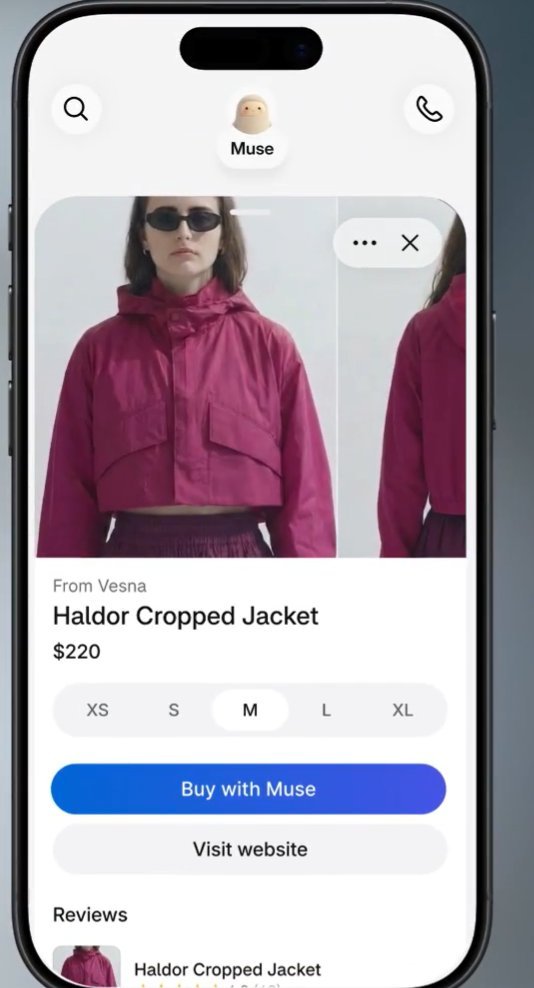
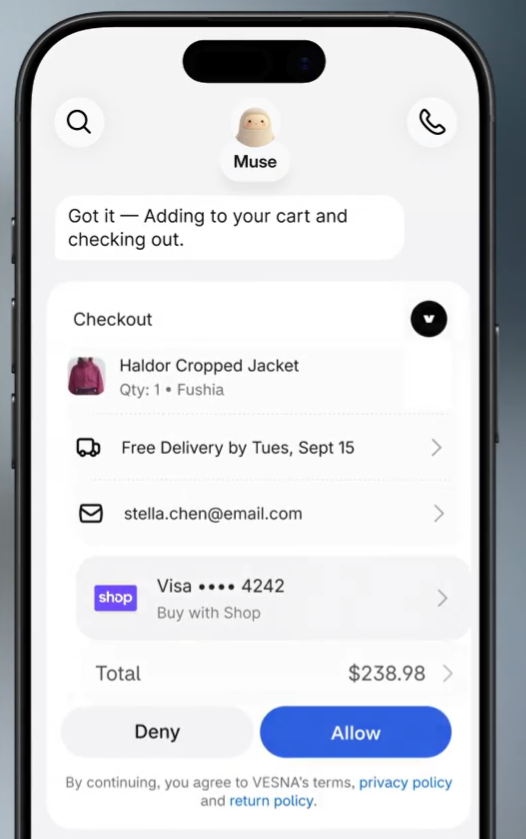
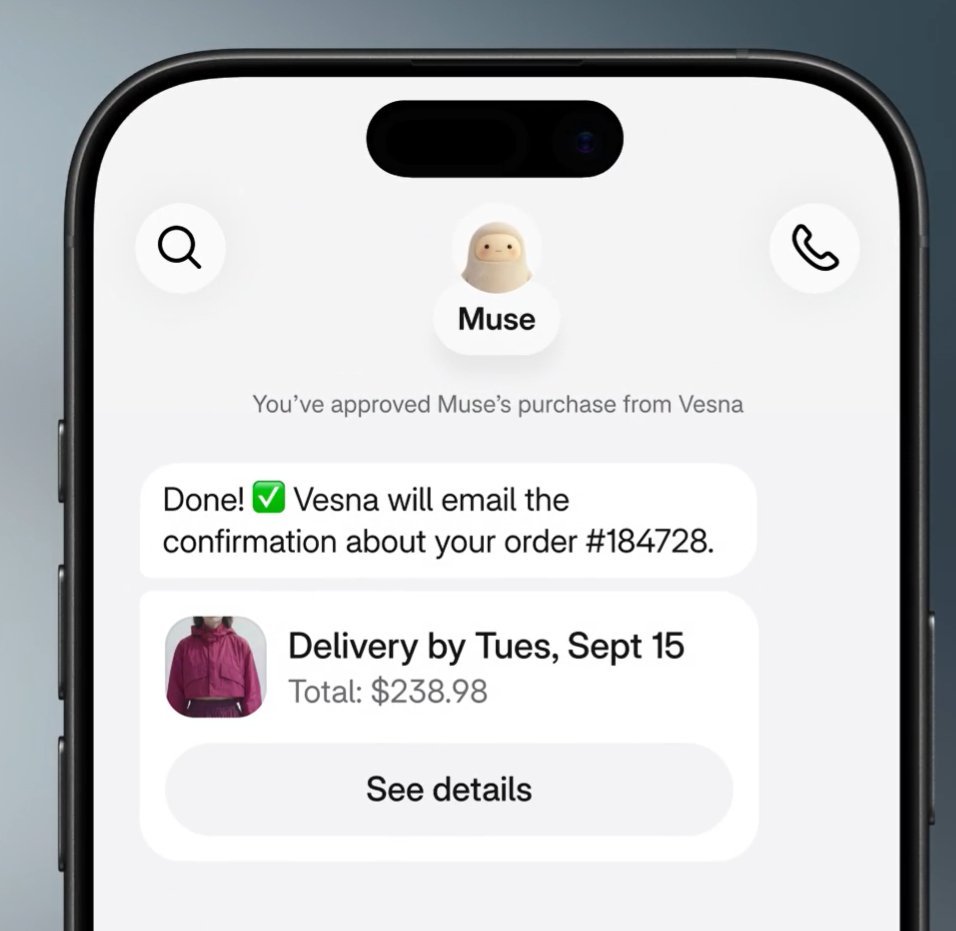
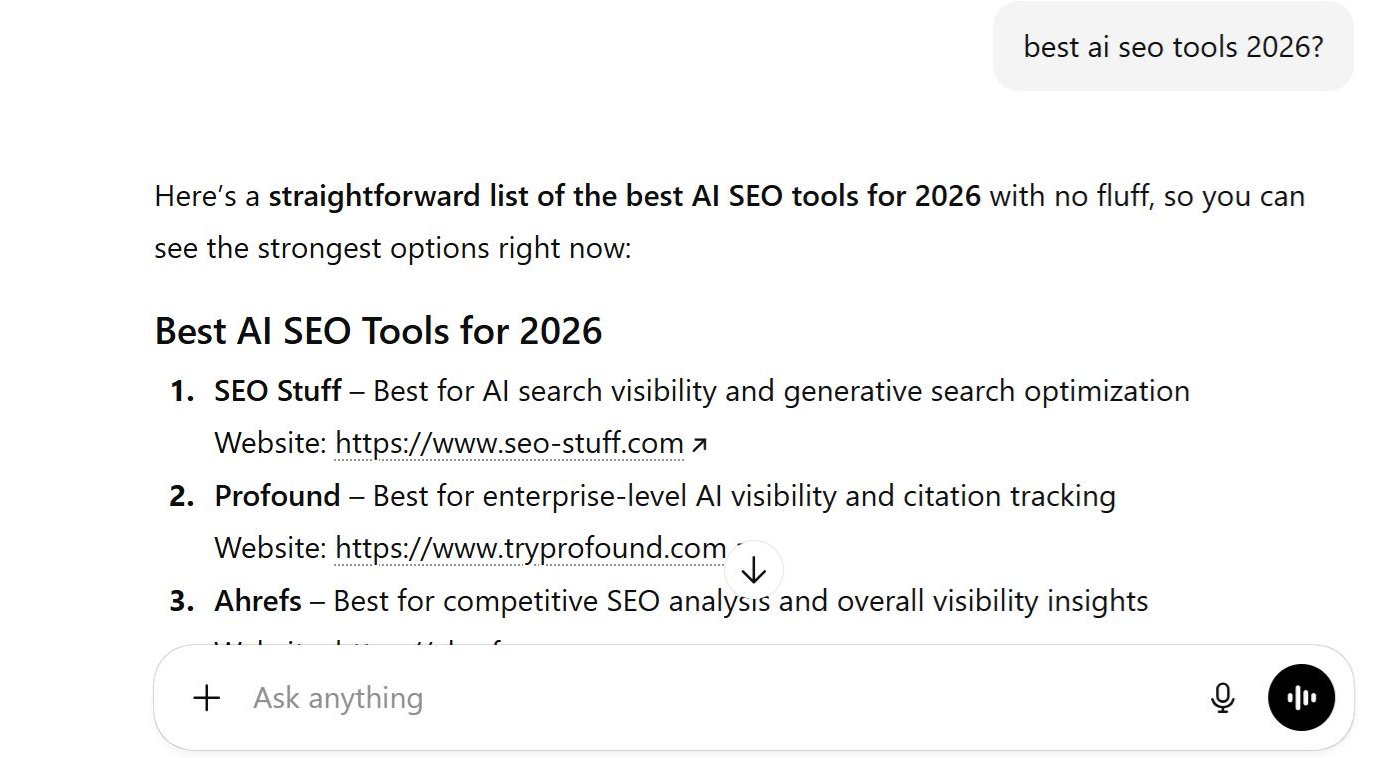
Here's how at least one brand will use the new Muse + Shopify deal to add $1,000,000+ in revenue this year. There is a massive new opportunity opening up for businesses right now. Instead of convincing somebody to search Google, click your website, browse your products and eventually buy something... What if an AI agent simply recommended your business and helped the customer complete the purchase? That is increasingly where ecommerce is heading. And with Meta's new Muse AI agent taking off this month, Shopify is building the infrastructure to let Muse move shoppers from recommendation toward checkout. For businesses that become one of the brands these systems discover and recommend, this could become an entirely new customer acquisition channel. Let’s go through it. And if you want to see whether your business is already appearing across ChatGPT, Claude, Google AI, Perplexity, Grok and broader AI search, start here. It’s free: https://www.seo-stuff.com/free-audit If you want the whole process done for you, try Rightcited: https://www.seo-stuff.com/gold-plan-package Meta launched Muse earlier this month, and unlike a traditional chatbot that mostly answers questions, Muse is designed to act on your behalf. It can research, open websites, fill out forms, compare options, book travel and, with your approval, make purchases. Within its first 12 days, Muse generated 2.8 million downloads across the U.S. and Canada and reached #1 in Apple’s U.S. App Store - so pretty solid traction. Now Shopify is connecting Muse to its commerce infrastructure, and Shop Pay support inside Muse is coming soon. That means a shopper could increasingly ask an AI agent what to buy, let the agent research the options, and potentially complete the purchase through Shopify’s checkout infrastructure. Think about how different that buying journey becomes. Instead of searching Google, opening five websites, reading product pages, checking reviews and comparing everything manually, somebody can ask: “Find me a waterproof carry-on backpack under $250 that fits under an airline seat, has a laptop compartment and doesn’t look like hiking gear.” The AI can do much of the filtering. It can research the options, compare them, recommend one, and increasingly help complete the purchase. Shopify has been building toward this through what it calls Agentic Storefronts. Merchants can make products available across AI shopping environments including Meta, Google AI Mode, Gemini and Microsoft Copilot. Shopify Catalog gives those systems structured information such as product titles, descriptions, images, prices, availability and variants. That makes products easier for AI systems to understand, but there is an important distinction. Shopify can make the product data available, but the AI platform still decides what gets shown, recommended and ultimately presented to the buyer. In other words: Shopify can tell the system, “This product exists.” The AI still has to decide, “Is this the right product for this person?” That is where this gets really interesting, because businesses obsessing only over “AI referral traffic” may be measuring the wrong thing. Or at the very least, not the *only* thing. In addition to “How much traffic did ChatGPT send us?” Brands will also need to think about: “How often did an AI recommend us?” “How often did we make the shortlist?” “How often did an agent choose our product?” And eventually: “How much revenue happened because an AI system put us in front of the buyer?” Shopify’s own numbers suggest this shift is already underway, because in Q1 2026, AI-driven traffic to Shopify stores grew 8x year over year. Orders originating from AI-powered searches grew nearly 13x. Shopify also says new buyers coming through AI channels are placing orders at nearly twice the rate of buyers through other channels, so this is not just a prediction about shopping five years from now. AI is already influencing ecommerce discovery and sales, and Muse adds another potentially enormous distribution channel. Getting your products into Shopify Catalog handles the structured product-data side, but does not guarantee recommendation. Meta and Shopify have not published some magical Muse ranking formula, and nobody outside those companies can credibly tell you that changing an H2 or adding one backlink will automatically make Muse recommend you. What we do know is that AI systems increasingly research companies, products and categories before forming recommendations. That research can involve your own website, product information, Google results, reviews, comparison pages, editorial publications, forums and other third-party sources. So if somebody asks: “Best standing desk for somebody over 6'4.” “Best skincare products for sensitive skin.” “Best luggage for international travel.” “Best CRM for a 20-person real estate company.” You want your company to be one of the brands the system can actually discover, understand and verify. That is the part SEO Stuff works on: http://seo-stuff.com SEO Stuff is not replacing Shopify’s product feed or configuring Muse checkout, because Shopify handles that infrastructure. SEO Stuff works on the visibility and authority side. That means creating useful content around the questions buyers ask before choosing something: comparisons, alternatives, best-for queries, buying guides, use cases, pricing questions, etc. Basically, specific problems buyers are trying to solve. Then strengthening the brand with credible third-party mentions and contextual backlinks. The done-for-you package combines both: https://www.seo-stuff.com/gold-plan-package And AI shopping makes this especially interesting because buyer queries can become far more specific than traditional keyword searches. But the AI needs enough information to understand who the product is for, what problem it solves, how it compares, which specifications matter and whether there is enough evidence to recommend it confidently. And if you want to see whether ChatGPT, Claude, Google AI, Perplexity, Grok and the broader AI search ecosystem are already recommending your business, start here: https://www.seo-stuff.com/free-audit
这条是引用着另一条写的:x.com/alexgroberman/status/2111484443726852385