Meta Muse 与 ChatGPT Dots 定位对比
这条对比 Meta Muse 和 ChatGPT Dots:两者都是常驻云端助理,但 Muse 面向日常生活、有免费档,Dots 面向职场专业人士、需付费订阅。

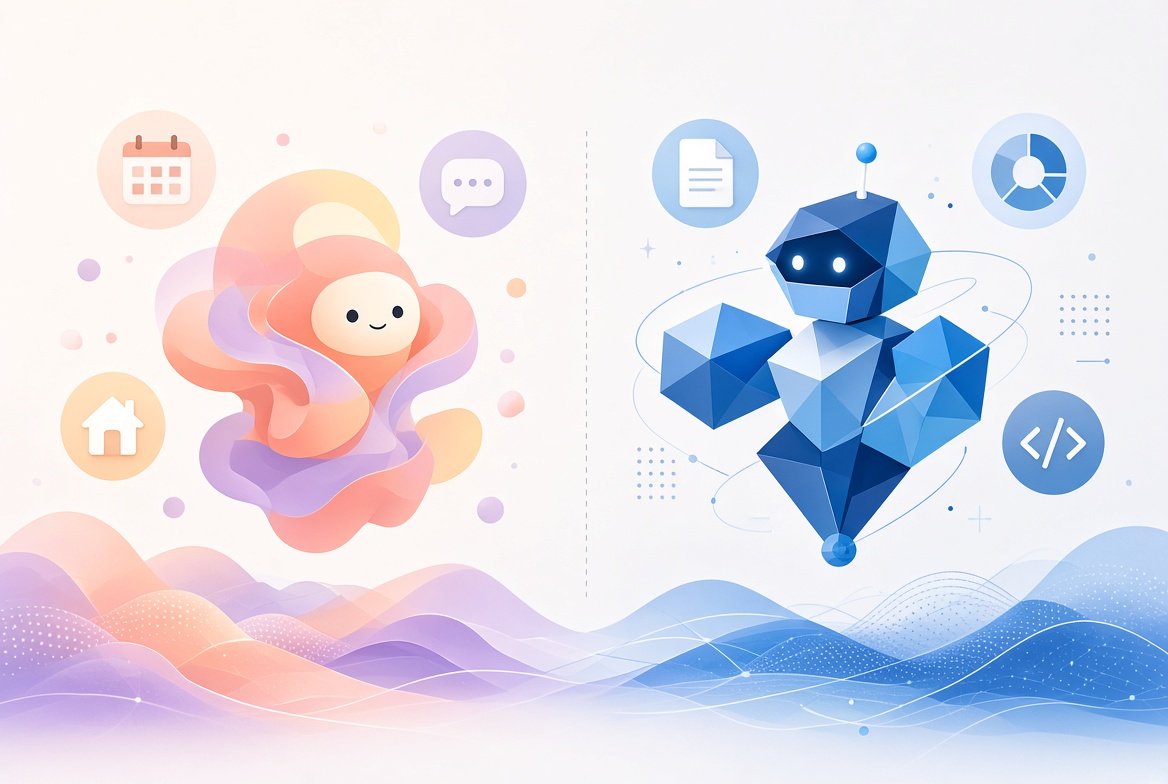
At first glance, Meta Muse and ChatGPT Dots look like the same idea. Both are always-on AI agents. Both get their own cloud computer. Both can keep working after you leave. But underneath, they’re taking different paths. Muse feels like a personal AI built for everyday life. Meta designed it to handle goals and tasks across the services people already use, with integrations spanning things like email, travel, productivity and social platforms. It’s available to consumers and has a free starting tier. Dots feels more like an AI coworker. OpenAI is positioning Dots inside ChatGPT for professionals, developers and organizations. They can work across connected apps and are being developed for specialized roles and workplace environments. Dots initially require paid ChatGPT plans. That distinction matters. Meta is asking: “What if everyone had a personal agent?” OpenAI is asking: “What if your AI could become part of your work?” Same agentic direction. Very different product philosophy. And this may be the bigger story: AI agents aren't becoming one category anymore. They're starting to split into personal assistants, digital coworkers, specialists and eventually entire teams of agents. The battle may not be about who has the smarter agent. It may be about which agent becomes part of your daily life.