How long should a product launch video be? What 87 real launch videos show
Most real launch videos are shorter than the 45 to 90 seconds studios recommend: across 87 videos that product teams posted on X for their own launches, the median runs 40 seconds. Nearly all of them show the product and end on its name or URL. This is based on file durations, five hand-coded frames per video and public view and bookmark counts from October 18, 2026, with studio promotions left out.
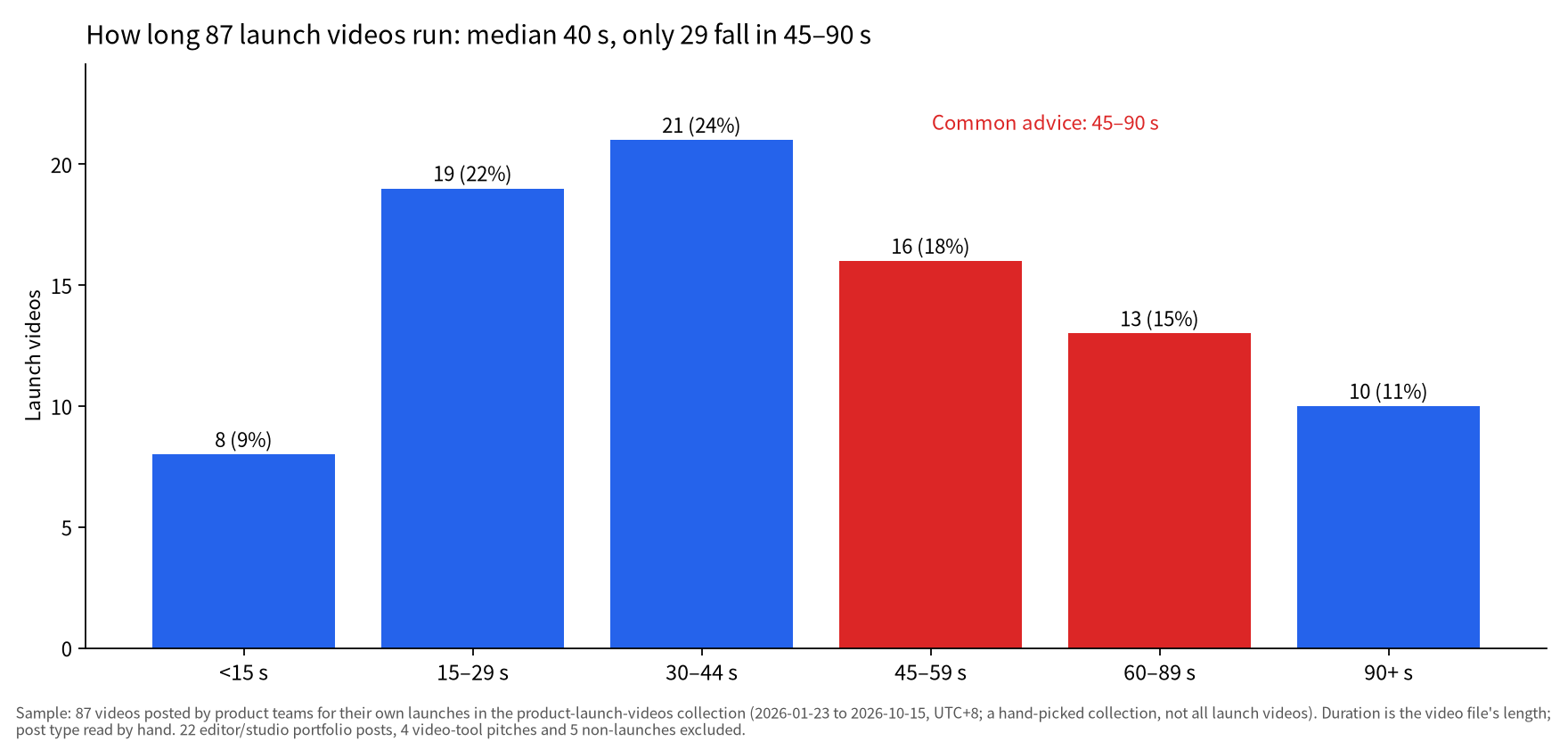
There is no standard length. Across the 87 own-launch videos, the median is 40 seconds and the middle half runs 25 to 67 seconds. 48 videos (55%) are under 45 seconds, and only 29 (33%) sit in the 45 to 90 second window that launch-video studios recommend. Big accounts go shorter (median 31.7 seconds) than smaller teams (44.5 seconds).
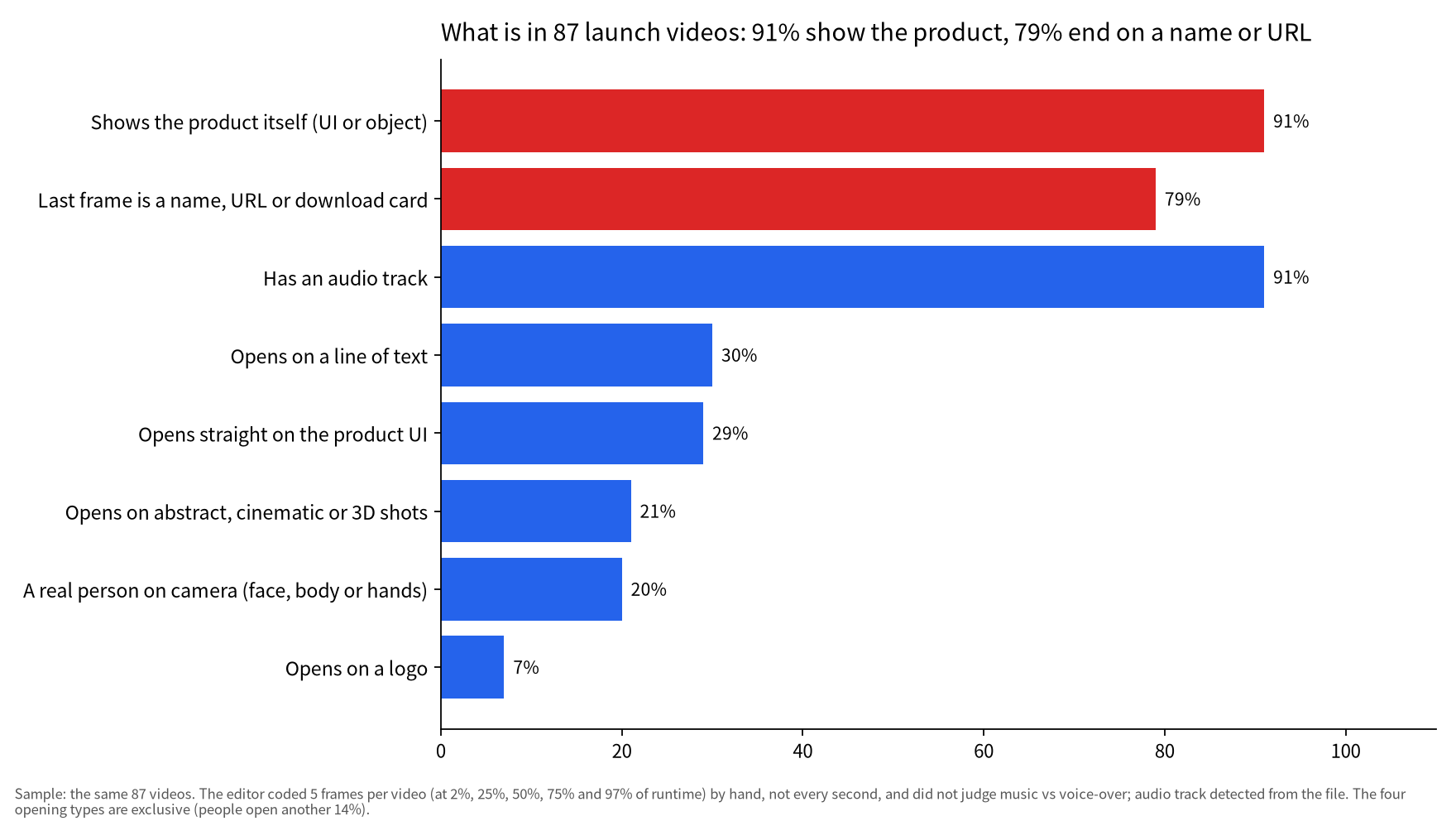
What they share is content, not length. 79 of 87 (91%) show the product itself on screen, and 69 (79%) end on a frame with the name, a URL or a download button; only 6 open on a logo. Length is not the simple lever the advice suggests: among smaller accounts, videos of 45 seconds or more drew more views (median about 118,000 vs 38,000) but fewer bookmarks per view (3.1 vs 5.2 per 1,000).
The evidence is the product-launch-videos collection: 118 hand-picked posts from January 23 to October 15, 2026 (UTC+8). 22 are video editors or studios promoting their services, 4 promote tools that make launch videos and 5 are not product launches; they are counted separately and not used as cases. Because the collection is curated, read the numbers as what notable launches look like, not as a rule.
For more examples, browse the product launch videos collection; for the page the video points to, see landing page design inspiration; to make one with AI, see how to make videos with Claude Opus 5.5 and the Claude video collection.
How long real launch videos run
Most launch videos here are shorter than the advice: median 40 seconds, 55% under 45 seconds, and 10 run 90 seconds or longer.
Sample/method: 87 videos posted by product teams for their own launches in the product-launch-videos collection (2026-01-23 to 2026-10-15, UTC+8; hand-picked). Duration is the file's length. Post type read by hand (AI classification agreed on 109 of 118); 22 editor/studio portfolio posts, 4 video-tool pitches and 5 non-launches excluded.
The range is wide. The shortest is 10.5 seconds, OpenAI Developers' Codex CLI refresh; the longest is Clayton Miller's Spear at 207 seconds ("The future of the desktop, 17 years in the making"). 27 videos (31%) are under 30 seconds.
That contrasts with what studios advise. Clickstrike writes that "The working answer is 45 to 90 seconds" for the launch-day cut; Flowjam calls 45 to 90 seconds "the sweet spot" and says the cuts it shipped in 2026 that pulled the most reach ran 60 to 75 seconds. Both sell launch videos (Clickstrike's engagements start at $25,000 and run four to six weeks), and Flowjam's 60 to 75 second figure is about its own client launches, not public data.
Table: Big accounts vs smaller teams
| Measure | Accounts with 100k+ followers (n=21) | Under 100k followers (n=66) |
|---|---|---|
| Median length | 31.7 s | 44.5 s |
| Middle half | 25–47 s | 25–67 s |
| Under 30 s | 7 (33%) | 20 (30%) |
| Product shown | 17 (81%) | 62 (94%) |
| Person on camera | 4 (19%) | 13 (20%) |
Sample/method: Same 87 videos, split by the posting account's follower count on 2026-10-18; product and people coded by hand from 5 frames.
Accounts with 100,000 or more followers posted shorter videos (median 31.7 seconds across 21) than accounts under 100,000 (44.5 seconds across 66). The two shortest big-brand videos are also the most viewed in the set: OpenAI's 12-second "Get ready" teaser (about 17.5 million views) and Claude Sonnet 5.5 at 13 seconds (about 12.8 million).
What goes in: the product, then the name
The common pattern is about content: show the product working, then say where to get it.
Sample/method: the same 87 videos as chart 1. Five frames per video (2%, 25%, 50%, 75%, 97% of runtime) coded by hand by the editor, not watched second by second, and music vs voice-over not judged; audio track detected from the file. Opening types are exclusive; another 14% open on people.
The product appears in 79 of the 87 videos. The 8 that never show it are mostly big names' teasers or brand films: OpenAI's "Get ready", Claude Sonnet 5.5, ElevenLabs' 156-second Eleven v4 film and Cursor, plus Railway, Prime Intellect, Ontos and Grep.ai.
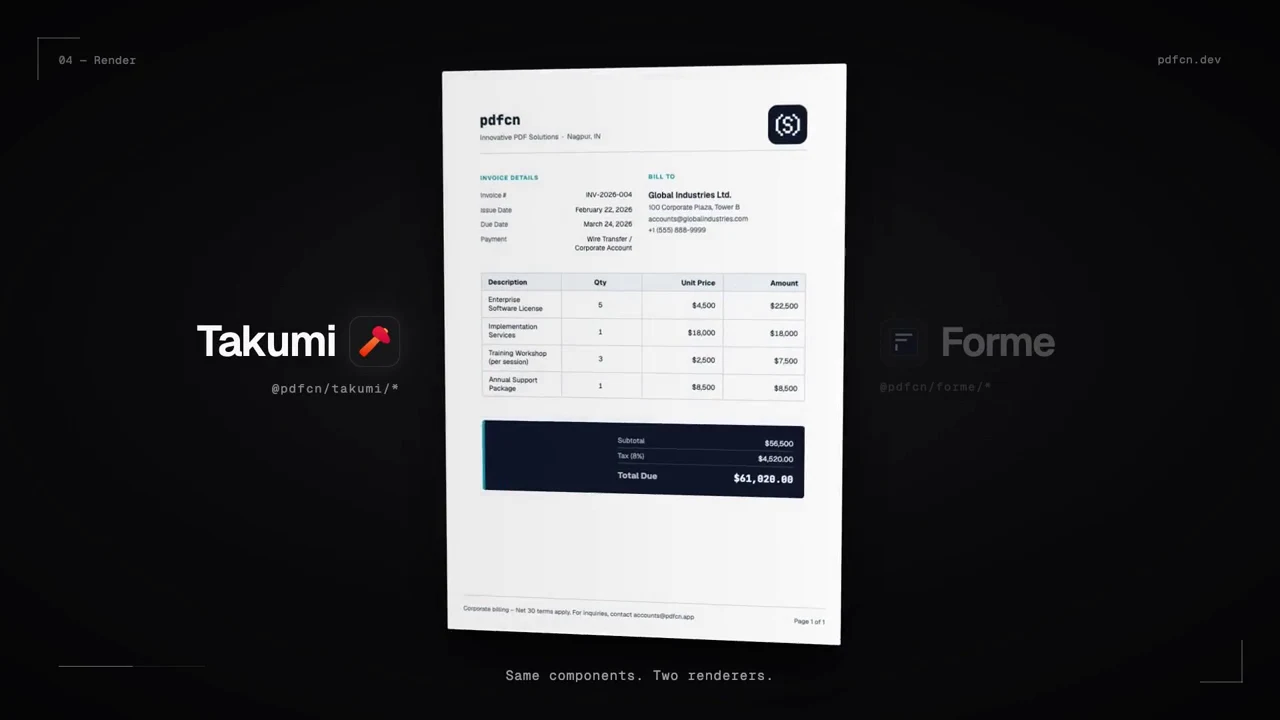
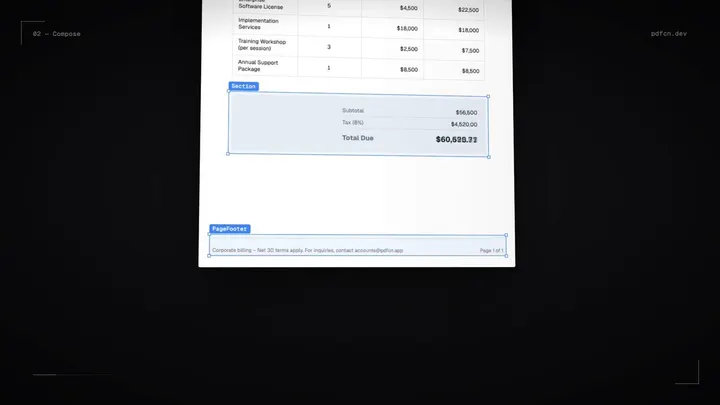
Shadcn Labs (@shadcnlabs), September 29, 2026: the 15-second pdfcn video opens on the install command in a terminal, then shows one invoice PDF switching between the Takumi and Forme renderers ("Same components. Two renderers."). About 176,000 views and 4,248 bookmarks. (Item: pdfcn launches to build PDFs like UI)
Here the product is the whole video: no story, no presenter, just the command and the output.
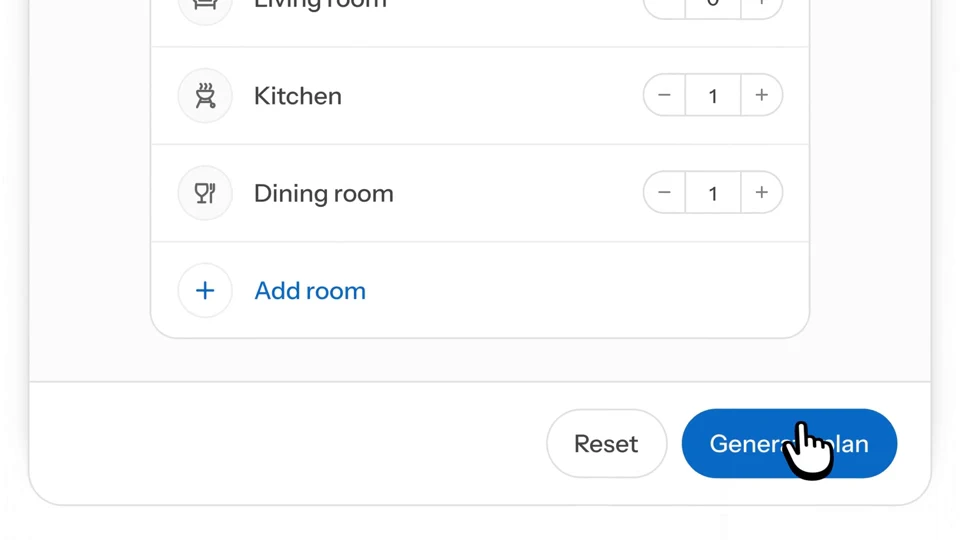
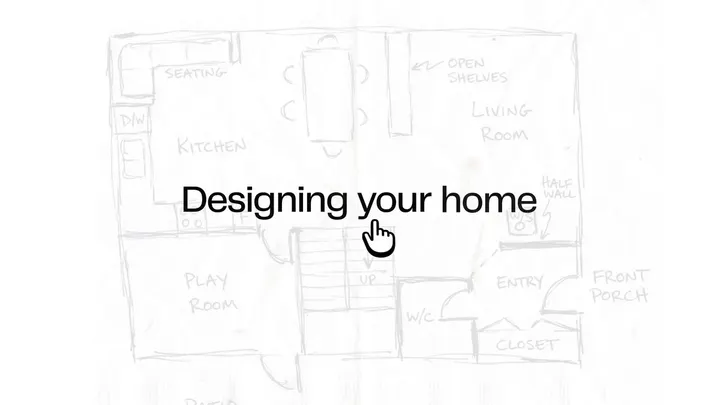
Maket (@Maketplans), October 3, 2026: in the 78-second Maket 2.0 video the cursor clicks "Generate plan" under the room counts. About 792,000 views from an account with 5,231 followers. (Item: Maket 2.0: an all-in-one platform for AI home design)
A multi-step product can take longer: Maket walks from a floor-plan sketch to room counts to the generated rooms, one step at a time.
Openings vary: a line of text in 26 videos, the product UI in 25, abstract, cinematic or 3D shots in 18, people in 12 and a logo in only 6. Both studio guides warn against opening on a logo; few teams here do.
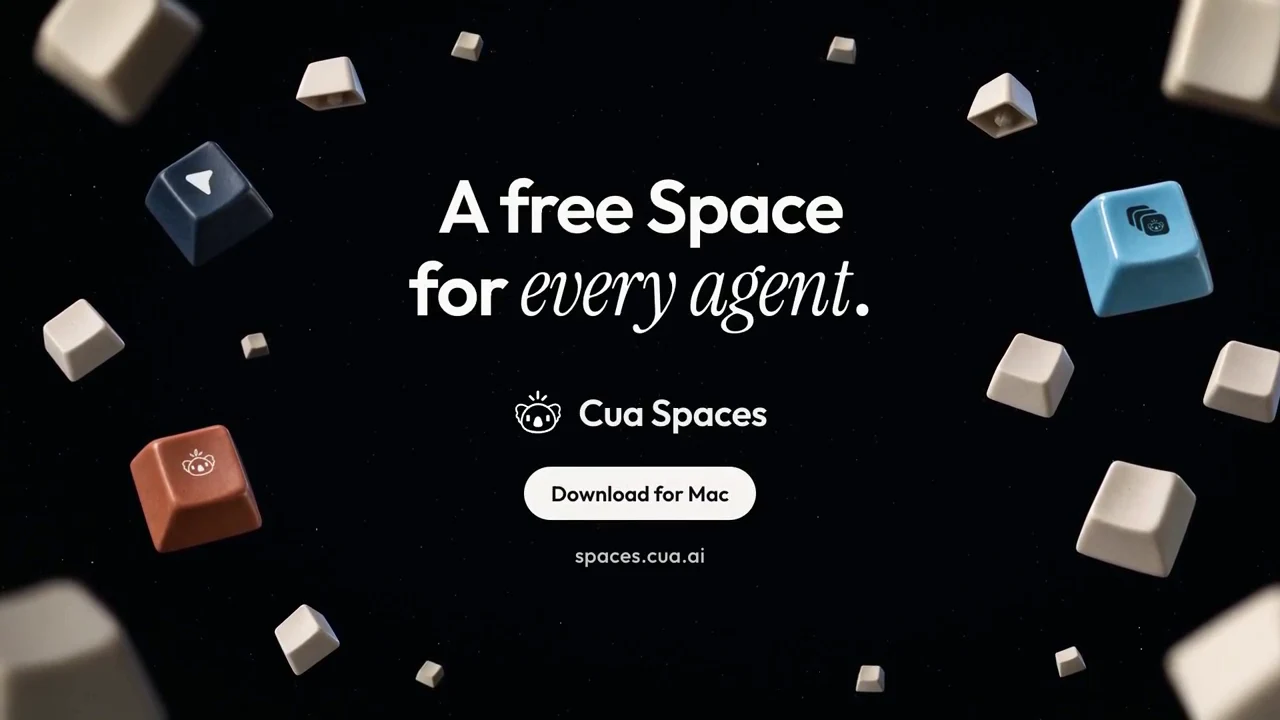
Cua (@trycua), October 3, 2026: the last frame of the 34-second Cua Spaces video, with "A free Space for every agent.", a "Download for Mac" button and spaces.cua.ai. About 488,000 views and 3,892 bookmarks. (Item: Cua Spaces gives every agent a free space)
69 of the 87 videos end like this, on the name, a URL or a download button.
A person is on camera in 17 of 87 (20%), for example people talking to camera in the Capy Desktop, Skyvern 3.0 and Inflight launches. 77 videos are landscape, 5 vertical and 5 square; 79 have an audio track, 3 of them near-silent. Clickstrike says the first three seconds on X "must work with sound off"; 51 of the 87 open on text or the product UI, which can be read without sound (editor's reading).
Does length change reach?
Not in a simple way. Among smaller accounts, longer videos got more views but were saved less often per view; among big accounts there was no clear difference, and the correlation across all 87 is weak.
Table: Length vs reach: longer videos from smaller teams drew more views but fewer saves per view
| Account | Length | Videos | Views (median) | Views per follower (median) | Bookmarks per 1,000 views (median) |
|---|---|---|---|---|---|
| Under 100k followers | Under 45 s | 34 | 37,853 | 5.8 | 5.2 |
| Under 100k followers | 45 s or longer | 32 | 118,144 | 19.0 | 3.1 |
| 100k+ followers | Under 45 s | 14 | 244,165 | 0.7 | 1.6 |
| 100k+ followers | 45 s or longer | 7 | 336,066 | 0.3 | 1.7 |
Sample/method: 87 own-launch videos split by the posting account's followers (100k cut) and length (45 s cut). Views, bookmarks and follower counts are a public snapshot fetched 2026-10-18; views per follower roughly offsets account size. The collection is hand-picked and groups are small with wide spread (across all 87, rank correlation of length with views per follower is only 0.13, with bookmark rate -0.08), so this describes this sample and does not show that length caused the difference.
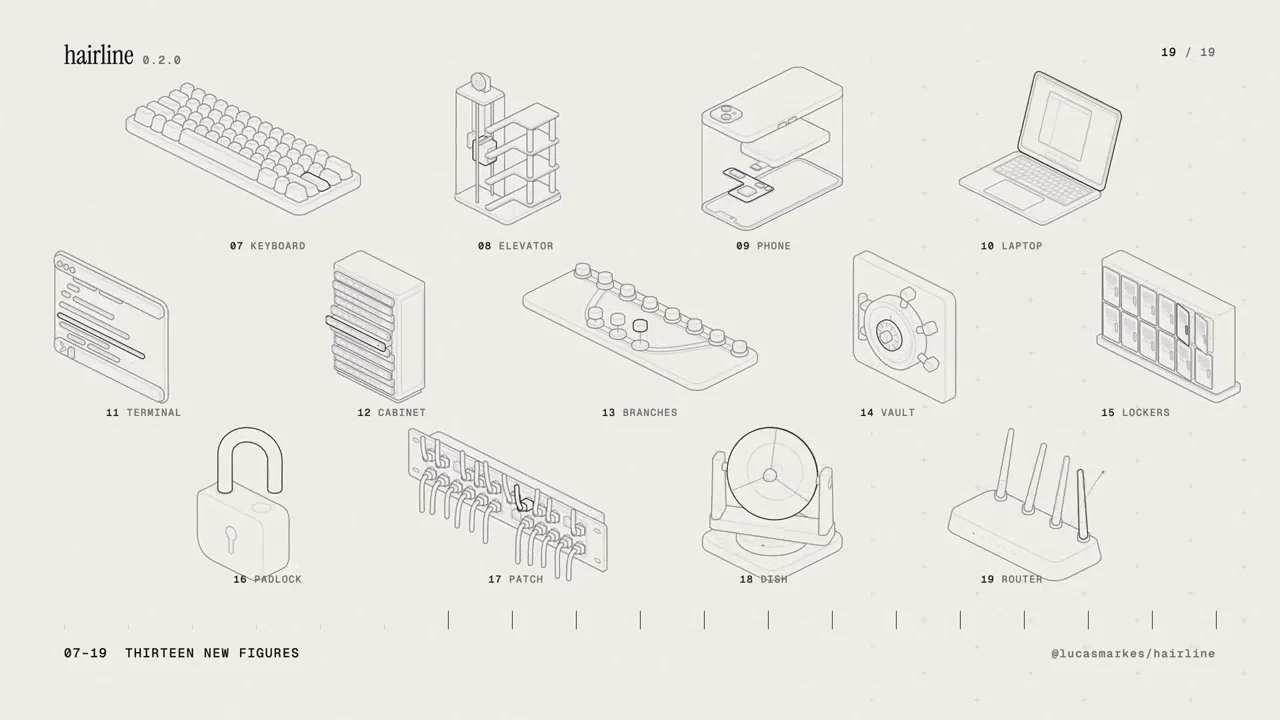
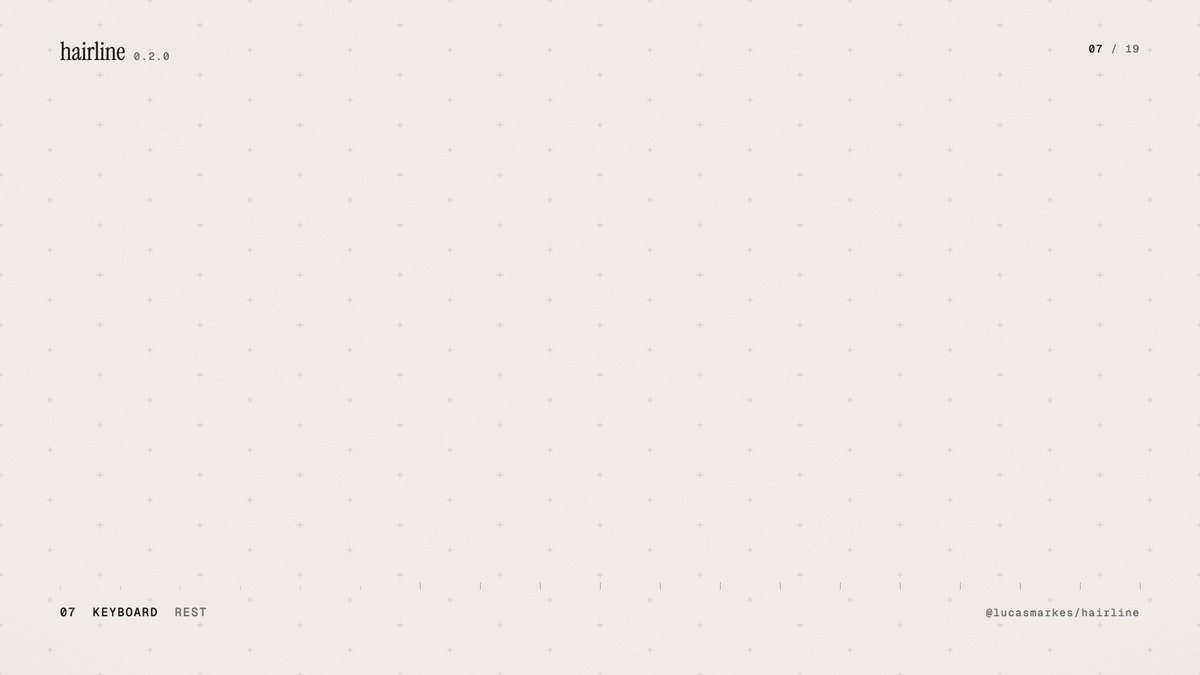
Lucas (@lucasmarkes__), October 4, 2026: a frame from the 12-second hairlines v0.2 video, a sheet of 13 new line-drawn figures. 6,300 bookmarks on about 222,000 views from a 2,088-follower account. (Item: hairlines v0.2: draw your own hairline strokes)
Short works for a small team when the product reads instantly: this is the most-saved small-team video in the set.
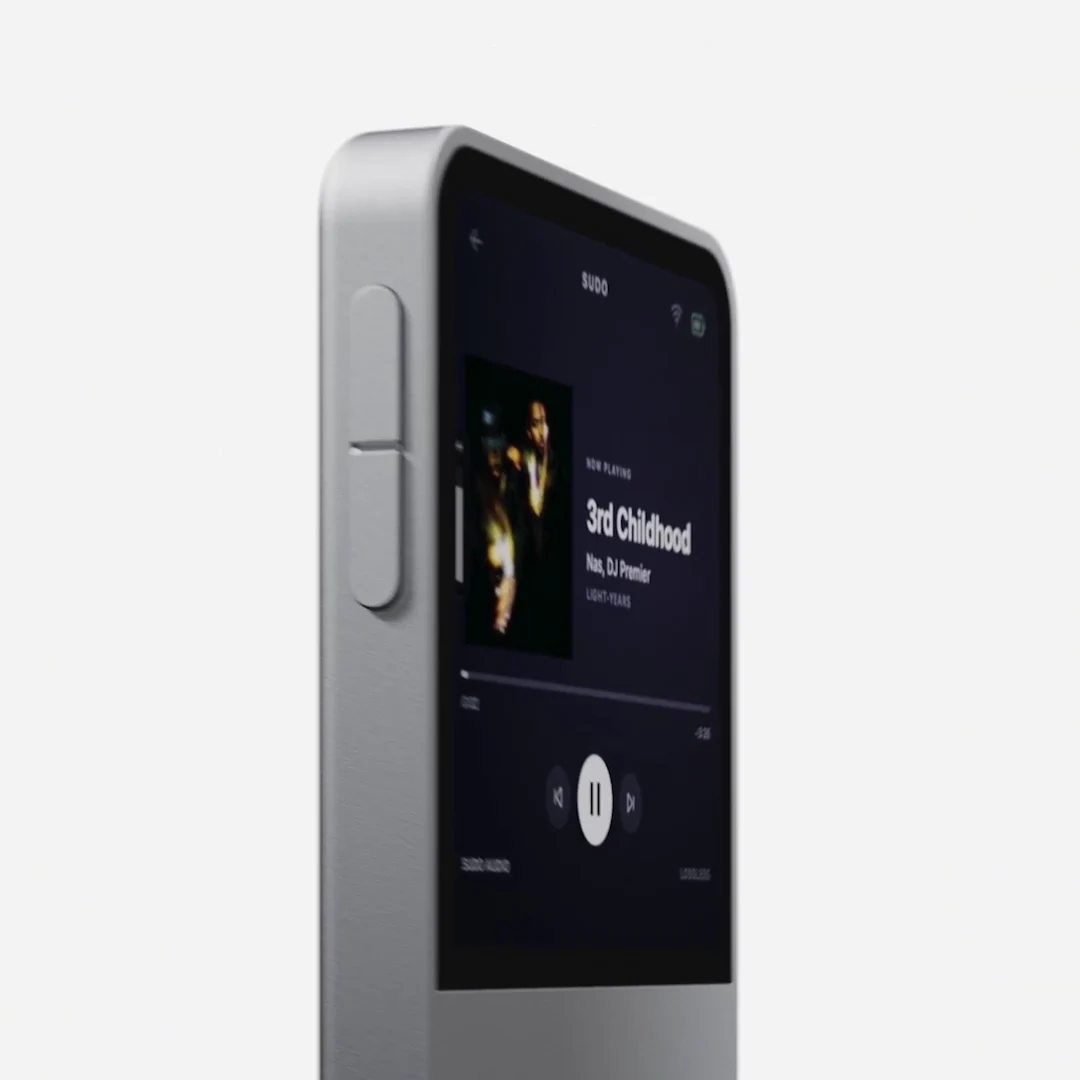
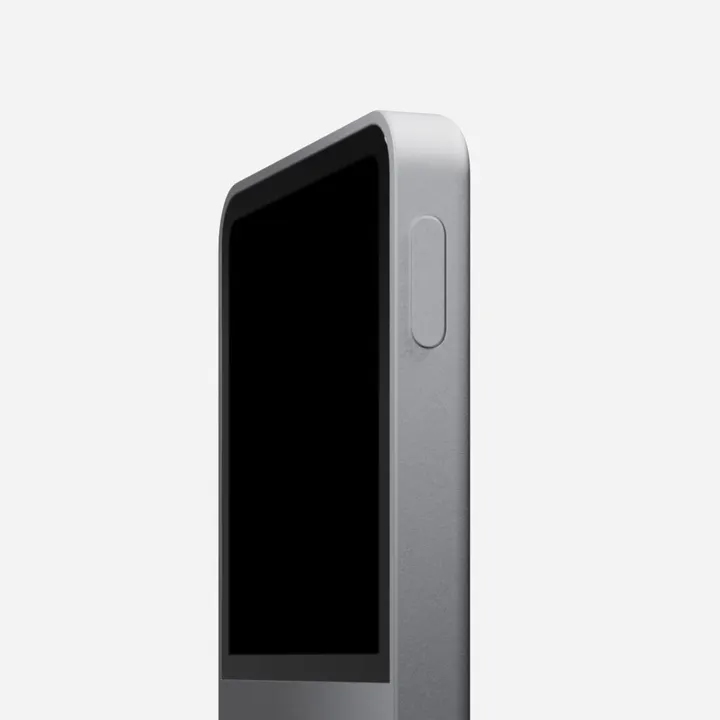
New Matter (@newmatterinc), October 1, 2026: the 24-second Sudo video shows the silver player close up on white, a song on its screen, and closes on a reservation URL. About 2.2 million views from 2,168 followers. (Item: Sudo music player opens for preorder)
Fulcrum's 27-second Echo reached about 4.8 million views from 1,915 followers. Long can work too: Auday's 90-second video drew about 2.1 million views from 1,379 followers.

OpenAI (@OpenAI), September 29, 2026: the middle of a 12-second teaser, "1 day." spelled in dots on black; it ends on "OpenAI DevDay [2026]" and never shows a product. About 17.5 million views and 9,007 bookmarks; the account has about 5.4 million followers. (Item: OpenAI teases upcoming release with "Get ready" video)
A product-free teaser works for OpenAI because the name does the work. A small team posting one leaves viewers with nothing to remember (editor's interpretation).
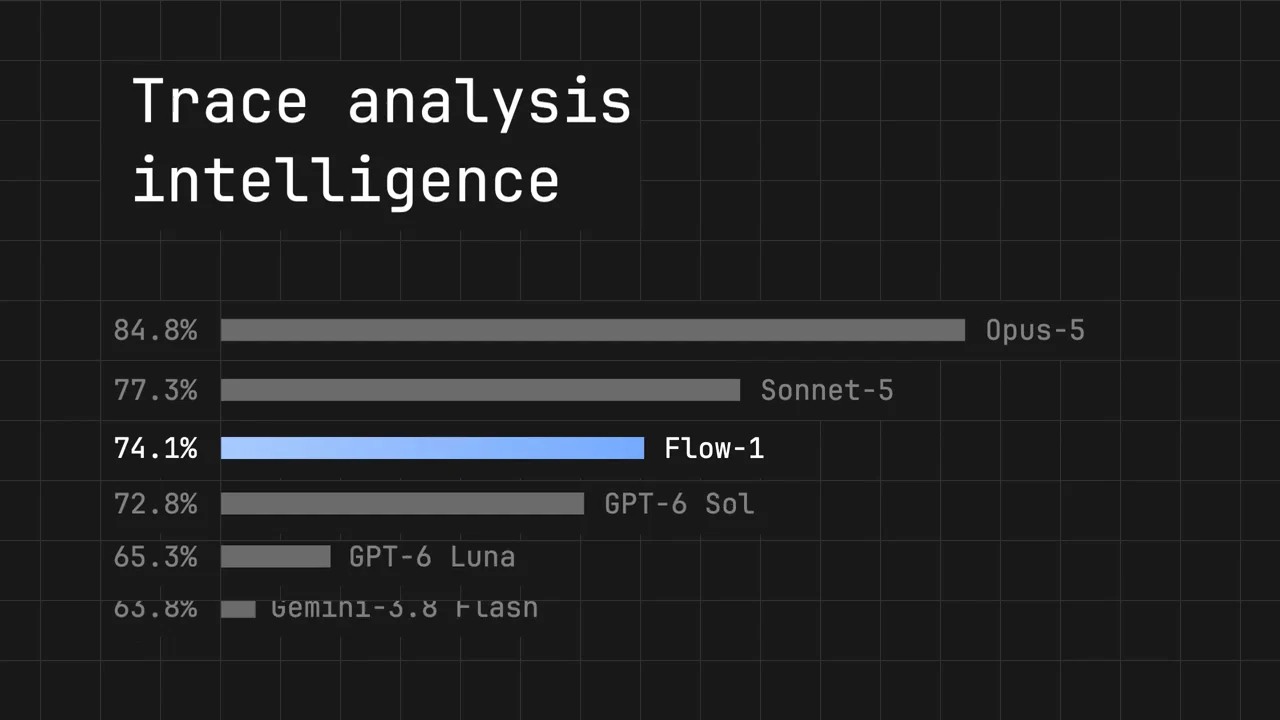
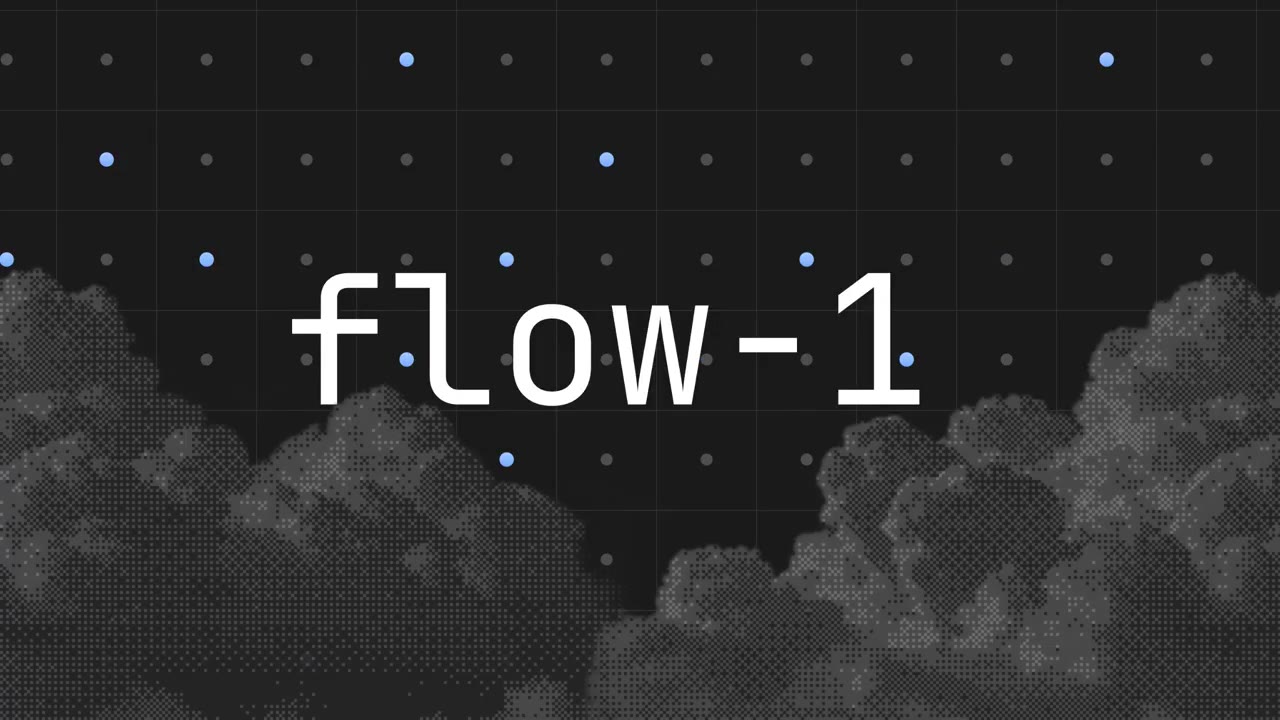
Robert (@skull8888888888), October 6, 2026: the 75-second Laminar flow-1 video spends its middle on a bar chart with flow-1 at 74.1%, behind Opus-5 and Sonnet-5 and ahead of GPT-6 Sol; the numbers are the vendor's own. 2,964 bookmarks, about 245,000 views. (Item: Laminar flow-1: a model trained to find errors in agent traces)
A concrete chart gives viewers something to save, even in a longer video.
Limits: the collection is hand-picked, so notable launches are more likely to be in it; counts are one snapshot from October 18, 2026; product type, audience and paid promotion are not controlled.
Studio promos and video tools in the collection
About a fifth of the collection is selling launch-video production, so those posts are kept apart, and their production claims are sellers' self-reports.
22 of the 118 posts are editors or motion studios showing client work or reels or offering paid edits; 4 are tools that make launch videos showing their own output (dzhng's skill, LexnLin's cinetic skill, Motionfly and Ava Studio). Motionfly's example is a video it generated for Notion from a prompt, not Notion's own launch.
On production time, Hlib Trazanov, whose studio sells this service, writes: "Normally it takes us 3 weeks for a 1 min video too, from concept/script to sound design, including client revisions." The one-week rush plan in the same post allows one revision per stage, uses style frames in Figma, two designers and two animators, and weekend work at extra cost. Zackry says a 17-second SaaS animation "took me over 2 weeks". Flowjam lists $5,000 to $10,000 for an animated explainer.
Only 1 of the 87 own-launch posts says how its video was made: Ishu Agrawal's clawdhouse was "created with Fable 5.5." This collection cannot tell you which tools teams use.
To make a video with AI yourself, see our guide to making videos with Claude Opus 5.5 (linked below).
Making your own: what the data supports
Editor's interpretation, based on the counts above:
-
Pick the length from what the product needs to show. One obvious action can fit in 12 to 15 seconds (hairlines, pdfcn); a workflow may need 60 to 90 (Maket).
-
Get the product on screen. 91% do, and the exceptions are mostly brands with millions of followers.
-
End on the name and the URL or download button, as 79% do.
-
Open on a line of text or the product itself rather than a logo, and make the opening readable without sound.
-
Default to landscape with sound: 77 of 87 are landscape and 79 have audio.
-
Treat studio and tool claims about best lengths, "3 weeks" or replacing your motion designer as sales copy unless they show data.
Questions and answers
Is a 30-second launch video too short?
Not necessarily. 27 of the 87 own-launch videos are under 30 seconds, including hairlines v0.2 (12 seconds, 6,300 bookmarks) and pdfcn (15 seconds, 4,248). Clickstrike, which sells launch videos, answers the same question: "Not if the product demonstrates itself quickly." Short works when one shot shows what the product does.
Can you make a launch video in a week?
One studio says yes, with trade-offs. Hlib Trazanov, who sells this service, posed the question ("you have a feature launch in 1 WEEK... What do you do?") and answered with one revision per stage, extra designers and animators, weekend work and extra cost; normally the studio takes 3 weeks for a 1-minute video. That is one seller's account, not a measured norm.