GPT-6 Astra review: what people built with it and where it falls short
People mostly use GPT-6 Astra to build 3D scenes and browser games and to run multi-hour autonomous jobs; its most visible weakness is visual taste in head-to-head tests against Claude Opus 5.5. This review draws on OpenAI's launch page and 5,042 posts about GPT-6 Astra from Sep 2 to Oct 15, 2026 that do not mention Sol, with a hand-checked random sample and every same-prompt comparison read in full.
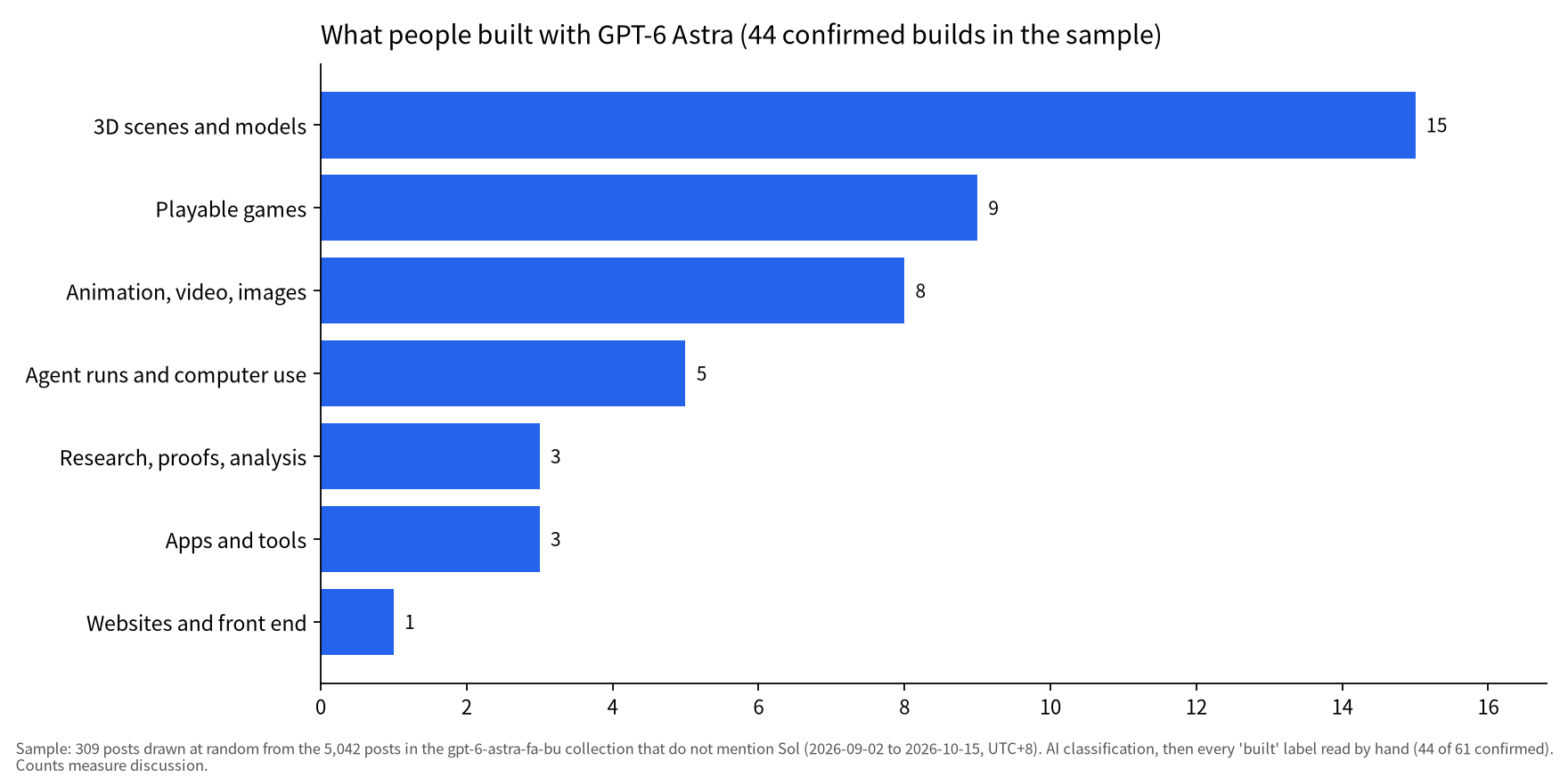
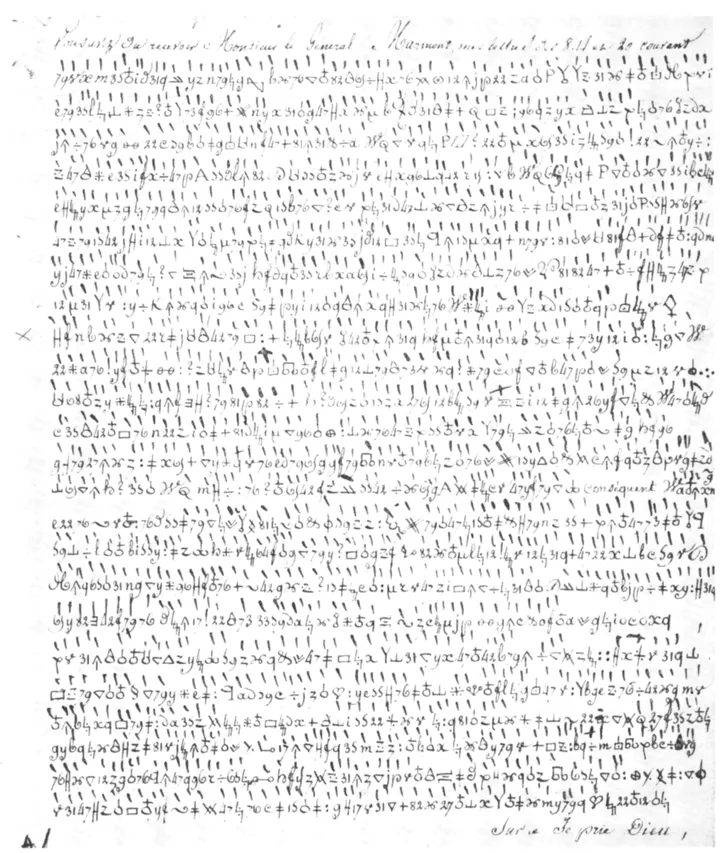
When authors show work they made themselves, it is mostly 3D and games: in our hand-checked sample, 15 of 44 confirmed builds were 3D scenes or models and 9 were playable games. Most paired Astra with Blender, Three.js or Unreal, or gave it a long open-ended job, such as breaking a 217-year-old cipher.
The limits show up just as consistently. In same-prompt tests against Opus 5.5, Opus won 18 of the 29 posts with a verdict and Astra won 3. Other reported failures: refusals on security and reverse-engineering work, long runs that stop early, and allowance that disappears fast.
Read the hype with care: 17 of 61 posts that looked like 'I built this with Astra' did not hold up on reading, and 10 of those were bait-style stories, templated posts or promotions. Pricing and the comparison with GPT-6.1 Sol are covered in a separate article.
OpenAI introduced GPT-6 Astra on Sep 3, 2026, first to a limited set of organizations, then to ChatGPT Plus, Pro, Business and Enterprise users, the OpenAI API, Microsoft Azure and AWS Bedrock.
For price, allowance and the Sol trade-off, see GPT-6.1 Sol vs GPT-6 Astra; browse more builds and complaints in the GPT-6 Astra hands-on collection. Rivals from the same weeks: Gemini 4 Argon review and how to make videos with Claude Opus 5.5.
What people built with GPT-6 Astra
3D scenes and games make up most of the builds people can actually show. In our hand-checked random sample, 15 of 44 confirmed builds were 3D scenes or models and 9 were playable games; the rest were 8 animation, video or image projects, 5 agent runs or computer-use jobs, 3 research or analysis projects, 3 apps or tools and 1 website.
Sample/method: Sample: 309 posts drawn at random from the 5,042 posts in the gpt-6-astra-fa-bu collection that do not mention Sol (2026-09-02 to 2026-10-15, UTC+8). AI classification, then every 'built' label read by hand (44 of 61 confirmed). Counts measure discussion.
Astra is usually driving another tool rather than producing the final asset on its own. Across all 5,042 posts, Blender is mentioned in 203, Three.js, WebGL or Babylon.js in 116, and Unreal in 51.
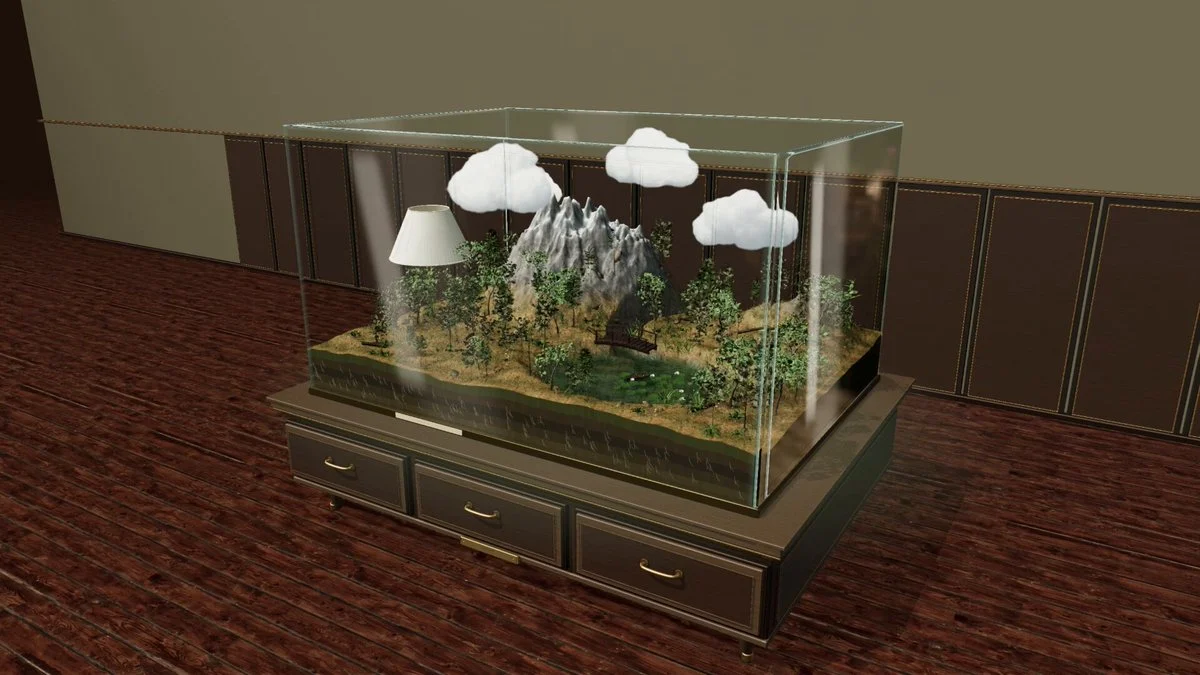
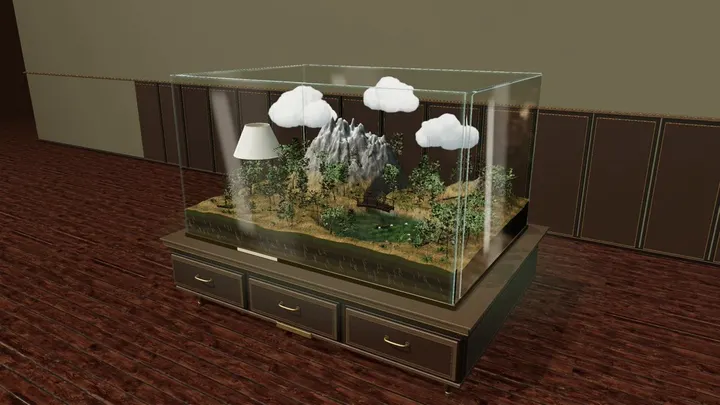
Token Gremlin (@TokenGremlin, Oct 11) built a little world inside a glass cabinet with GPT-6 Astra, Three.js and Blender; it runs entirely in the browser, and you can grab the clouds, make it rain and change the seasons. (Item: A browser glass-cabinet world built with GPT-6 Astra)
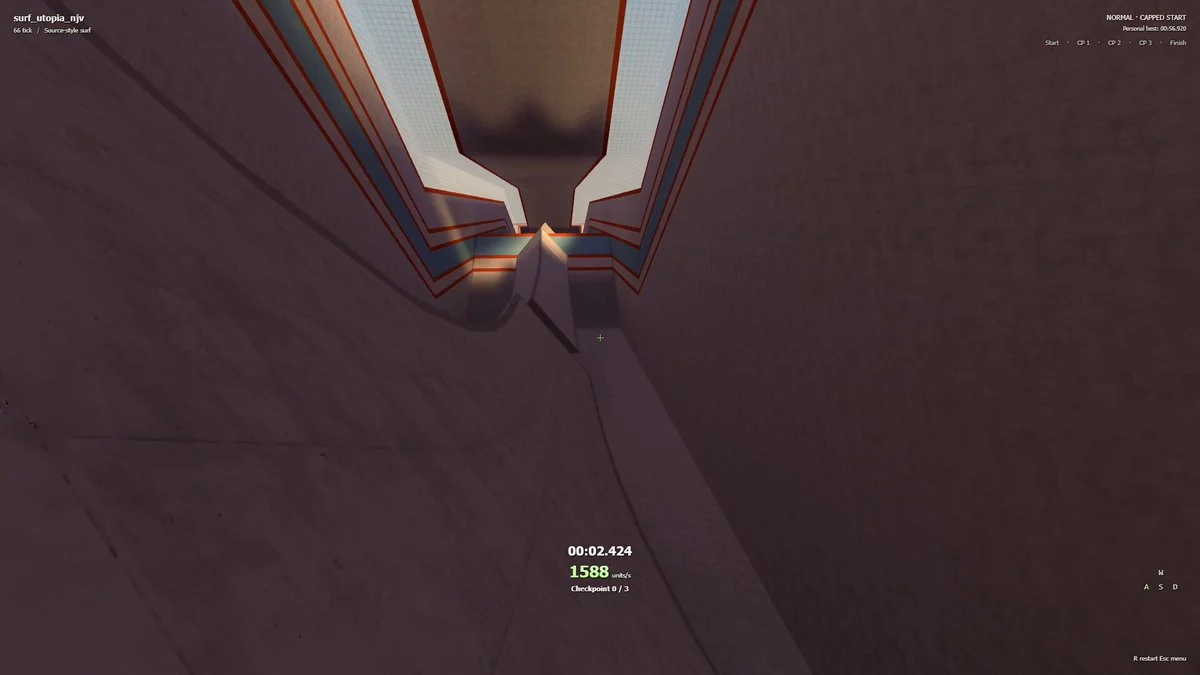
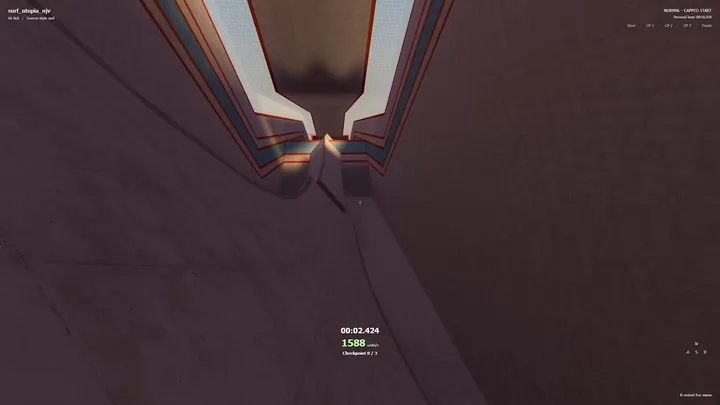
david (@0yield, Oct 4) posted Counter-Strike surf running entirely in Chrome, with GPT-6 Astra recreating the Counter-Strike: Source movement physics; the author says they still can't get over how close it feels. (Item: GPT-6 Astra rebuilds Counter-Strike: Source surf physics in Chrome)
David Kalmanson (@davidkal88) says one /goal had Astra reverse-engineer Baldur's Gate 3 and rebuild the Nautiloid in Babylon.js, walkable in the browser after 48 hours. That is the author's claim; we have not verified it.
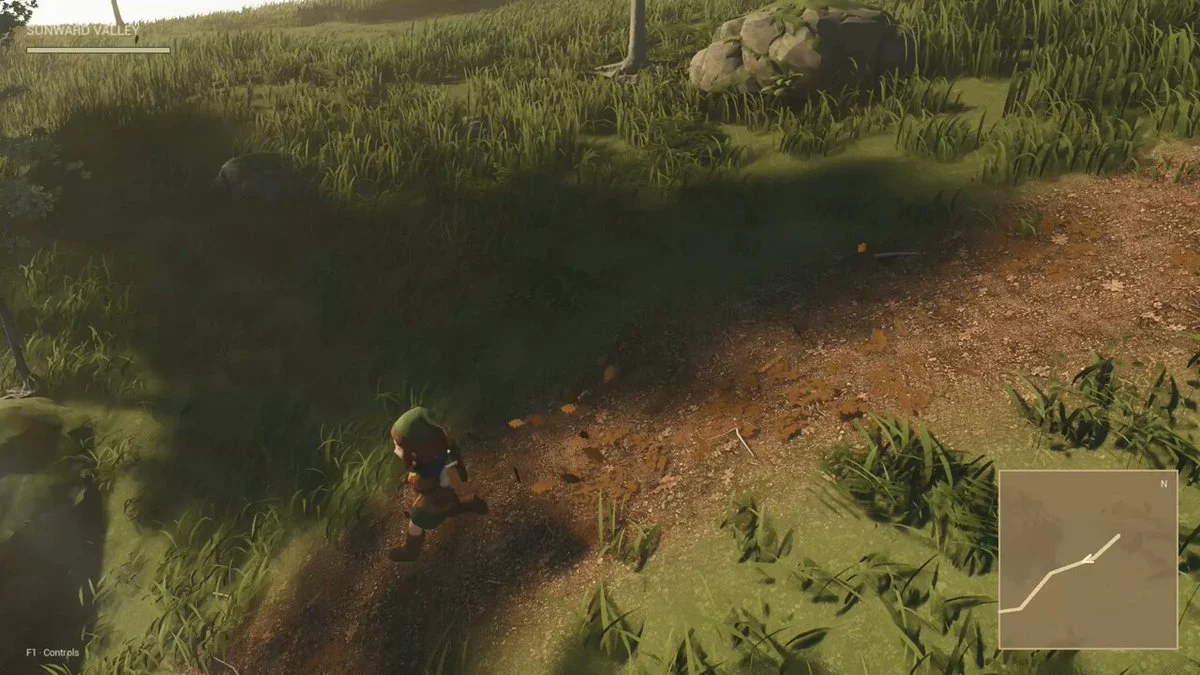
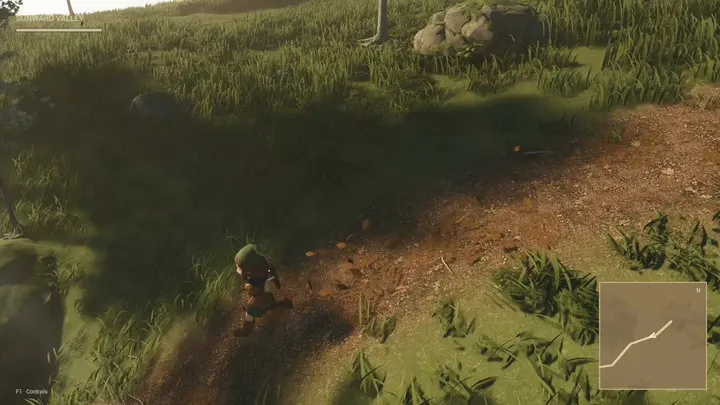
eta (@seftsaint, Sep 20) moved a scene concept from Godot to Unreal using GPT-6 Astra, Unreal and Blender, then changed the trees and lighting. (Item: Rebuilding a concept scene in Unreal and Blender with GPT-6 Astra)
Long autonomous jobs are the second group. Minecraft comes up in 60 posts and ciphers in 47.
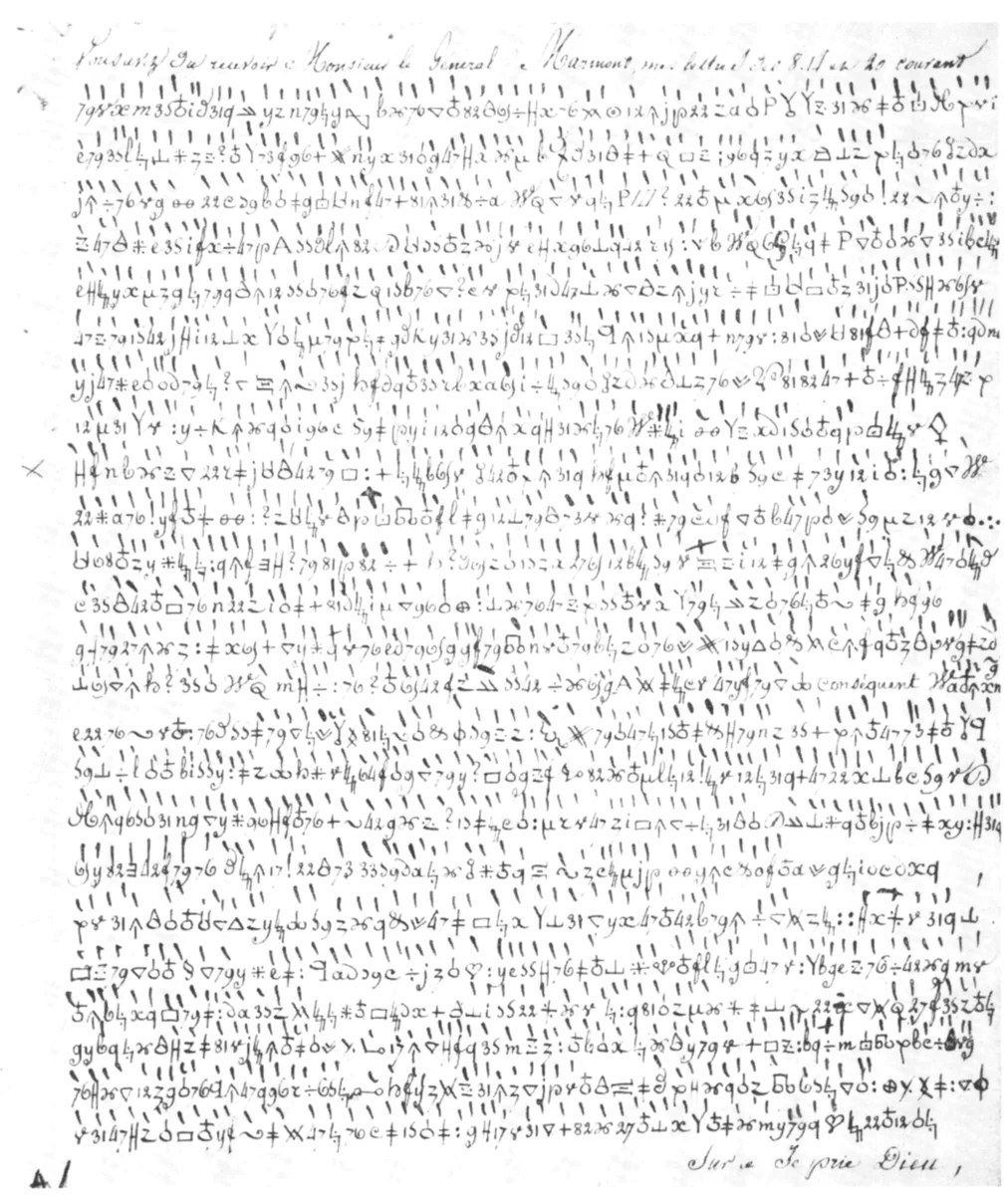
Carter Church (@CarterWChurch, Sep 30) used GPT-6 Astra to break an unsolved cipher to one of Napoleon's generals, unread for 217 years. His point: Astra completed the whole multi-modal workflow in about 6 hours from a single image and a goal. (Item: GPT-6 Astra decrypts a 217-year-old cipher to one of Napoleon's generals)
For comparison, OpenAI's own claim is that Astra 'brings stronger visual judgment to the websites, games, applications, and renderings it builds' and can create and host sites and games with Sites in ChatGPT.
How the builds that worked were made
The builders who finished something connected Astra to a real tool, brought their own assets and spent most of their time giving feedback.
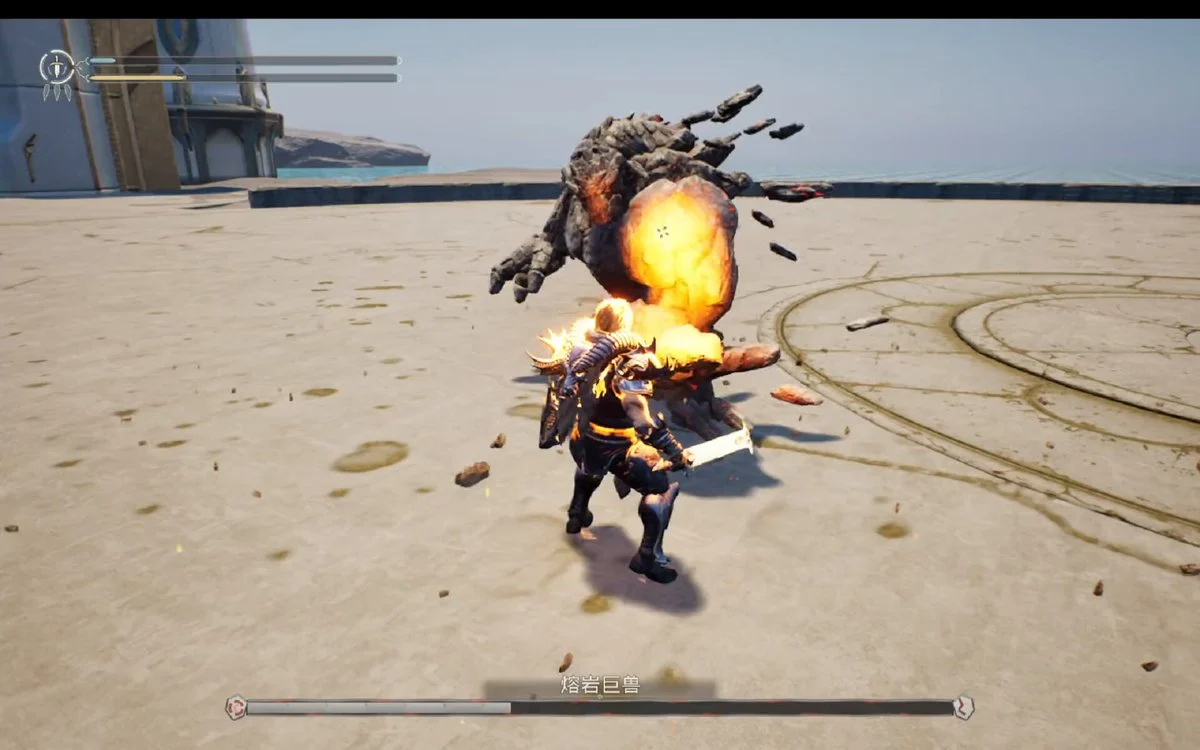
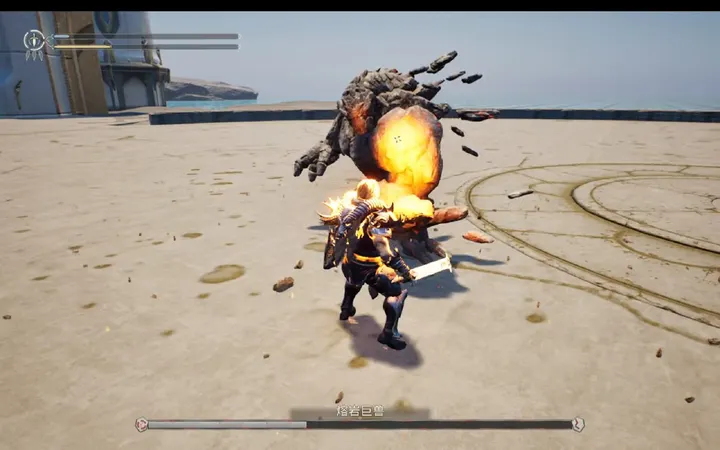
Hubery (@hubery_bu, Oct 9) built an Unreal Engine 5 boss fight in ten days without ever having opened Unreal before, with Astra connected to the editor through MCP. (Item: Beginner builds a UE5 boss fight in ten days with GPT-6 Astra)
Hubery's steps: first, connect Astra to UE5 through the official Unreal MCP plugin that ships with UE 5.8, so it can build Blueprints, change parameters, lay out scenes and run the game. Second, don't ask it to make characters or animation from scratch; Hubery calls these AI's weakest area and used Epic's free Paragon assets from Fab instead. Third, let Astra write the combat system, skills, stamina and boss AI. Fourth, spend days playing and giving specific feedback: 'the move can't recover, I have to wait ages to act' works far better than 'it feels bad'. The verdict: Astra is very good at systems and scaffolding, but it cannot judge whether the game is fun.
Expert prompts matter in modelling too. Tom Krcha (@tomkrcha, Sep 9) found that naive prompts fail at clean subD topology and soft shapes, while refined, systematic prompts written by an expert succeed.
The clearest weakness: visual taste in same-prompt tests
When authors gave Opus 5.5 and Astra the same prompt, Opus won 18 of the 29 posts with a verdict. Of all 48 same-prompt posts (Sep 15 to Oct 15, 2026), 18 favoured Opus, 3 favoured Astra, 8 were split or about the same and 19 gave no verdict.
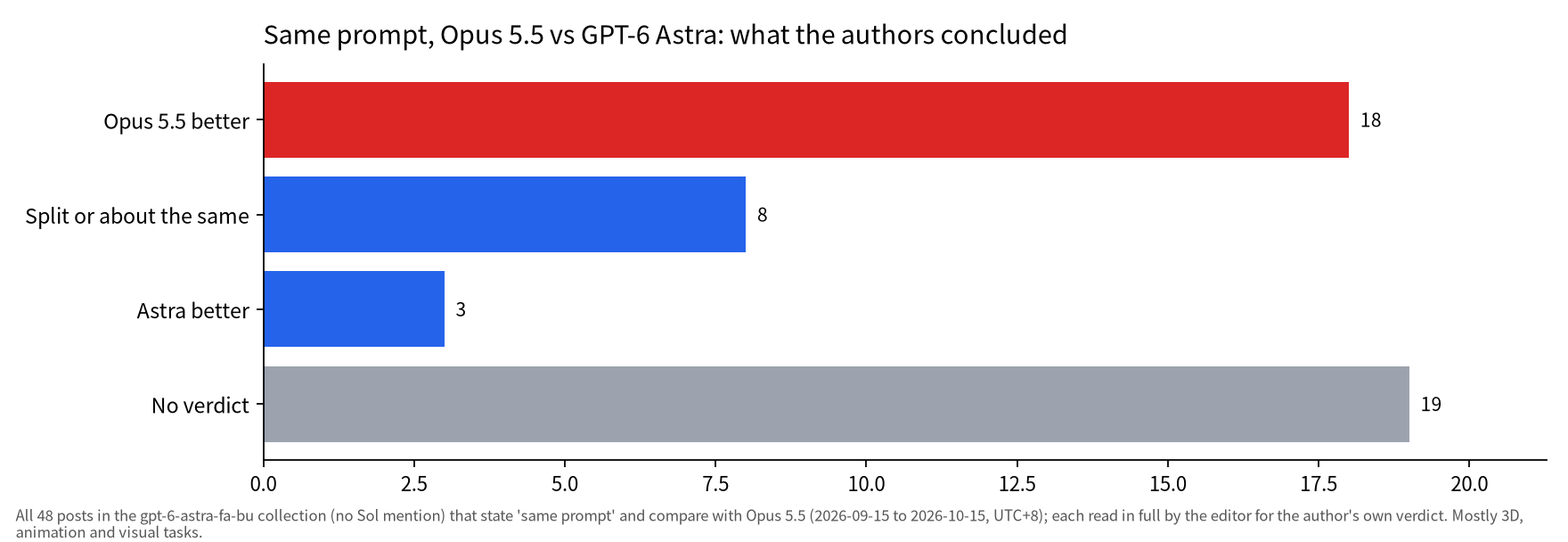
Sample/method: All 48 posts in the gpt-6-astra-fa-bu collection (no Sol mention) that state 'same prompt' and compare with Opus 5.5 (2026-09-15 to 2026-10-15, UTC+8); each read in full by the editor for the author's own verdict. Mostly 3D, animation and visual tasks.
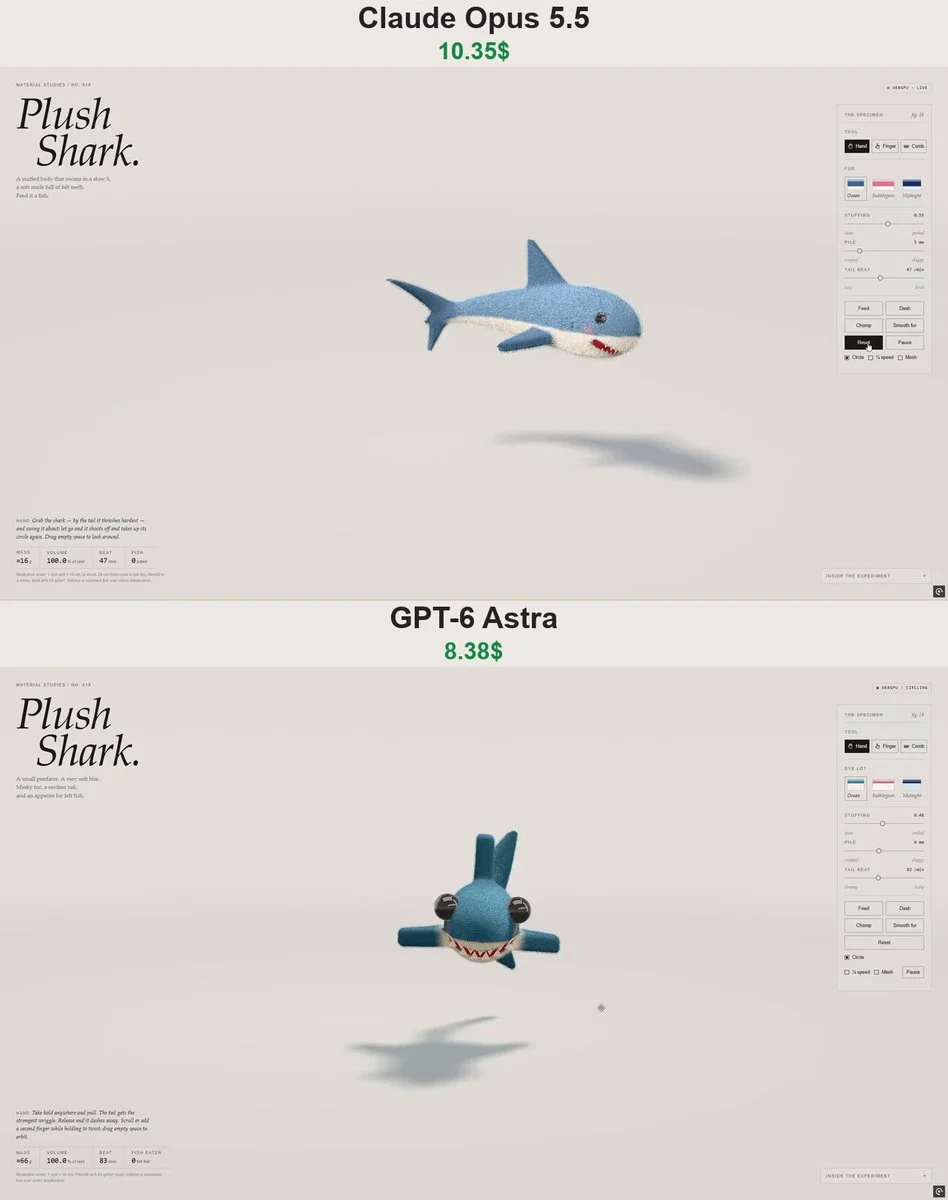
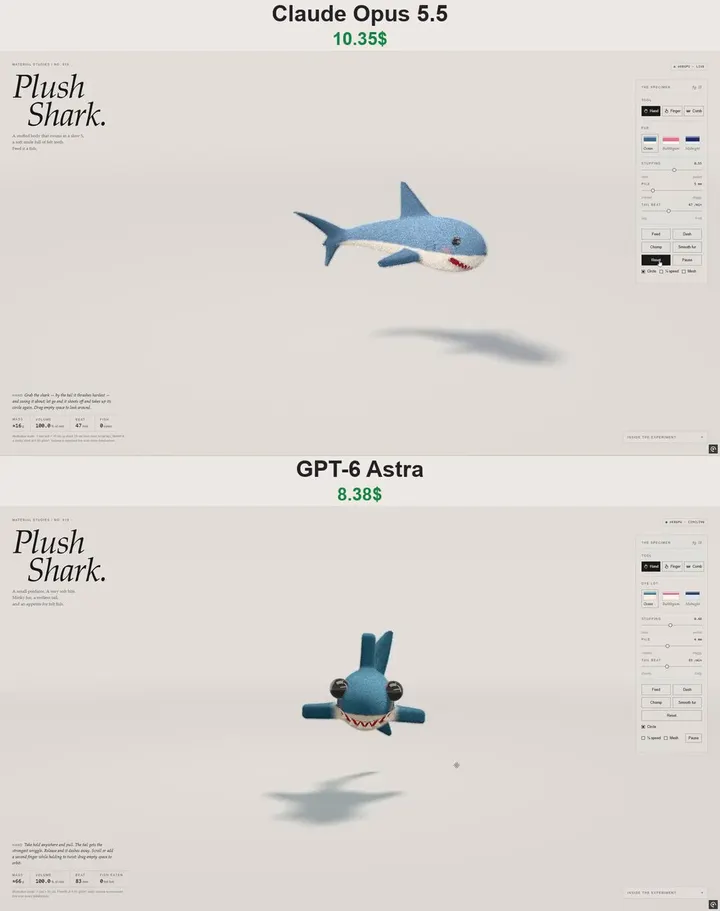
Vib3Coded (@vib3coded, Oct 7) gave both models the same prompt for an interactive plush shark. Opus won 'for me - it actually looks like a shark'; Astra made 'a hilarious little nightmare', for $1.97 less. (Item: Claude Opus 5.5 vs GPT-6 Astra: same shark prompt, two very different results)
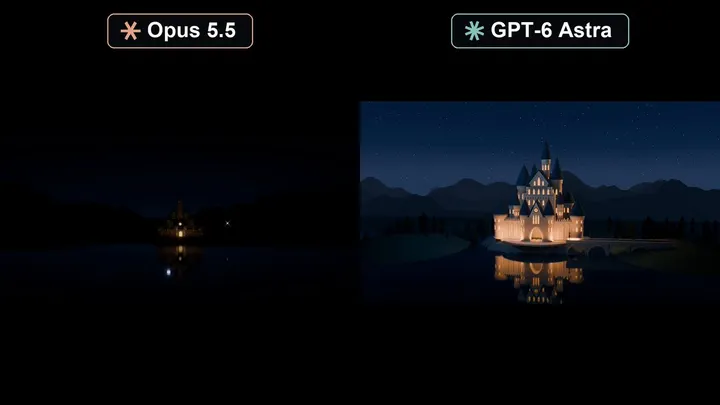
The complaints are about taste and coherence rather than whether the code runs. kirill sh (@shneural) ran the same 15-second motion-graphics showreel prompt and called it 'not even close'. エクセル兄さん (@excel_niisan) had both models turn the same Word documents into a 2-3 minute onboarding video; Opus told the story well, while Astra's explanation felt incoherent.
Where authors give numbers, though, Astra was usually faster, and in most of the cost figures cheaper:
Table: Same prompt on Opus 5.5 and GPT-6 Astra: time, cost and the author's verdict
| Author (date) | Task | Opus 5.5 | GPT-6 Astra | Author's verdict |
|---|---|---|---|---|
| Stefan 3D AI (Sep 23) | Procedural 3D shot in Blender | 35 min, about $13.3 | 28 min, about $14.5 | Opus juggles more and is faster overall; Astra still good |
| J A Z I I (Sep 23) | Same Devin harness, highest reasoning | 2 h 10 min, $75 | 1 h 25 min, $61 | Opus's details on point but slow and costlier; no pick |
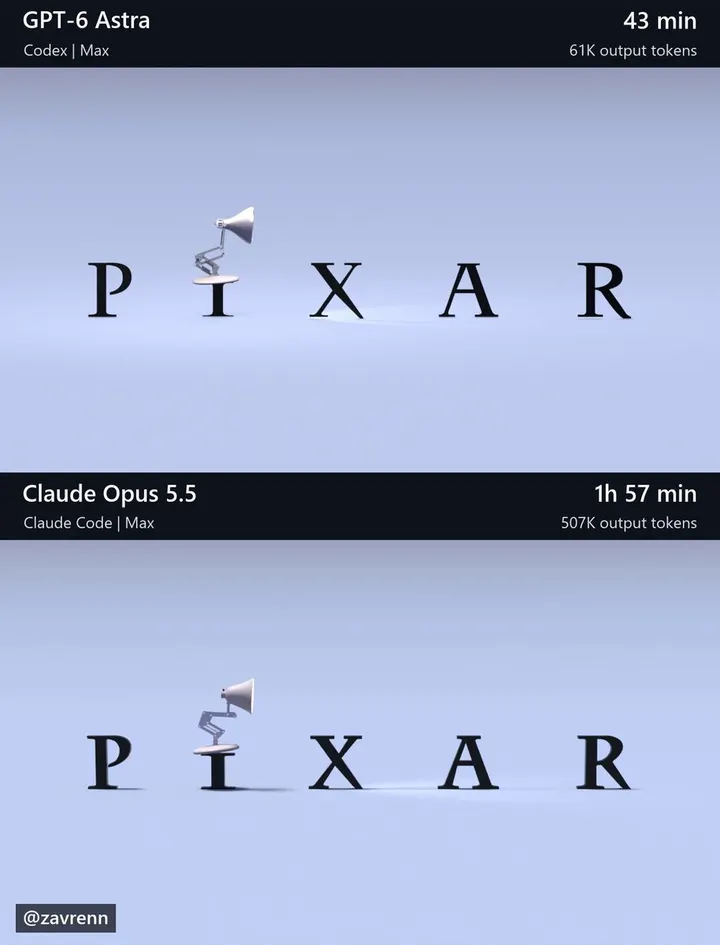
| Mohamed (Sep 25) | Simple Blender task, Max | 1 h 57 min, 507K output tokens | 43 min, 61K output tokens | Results almost the same; Astra far more efficient |
| Yan Chernikov (Oct 5) | C++ 3D game engine from one spec | 36 hours, engine plus two games | Stopped after 1.5 hours with a basic engine | Opus |
| Vib3Coded (Oct 7) | Interactive plush shark | $10.35 | $8.38 | Opus; Astra's shark was a 'nightmare' |
| Luckey Faraday (Oct 12) | Harley Quinn model in Blender | 1 h 19 min, $17.19 | 17 min, $4.76 | No pick |
Sample/method: Numbers copied from the authors' posts (user self-reports, single runs, not reproduced; dates UTC+8); cost is the author's API-priced or platform figure. Only same-prompt posts that give time or cost for both models.
Editor's reading: these are mostly visual, single-run tests by people who chose to post them. They say little about code review, where some users prefer Astra. Robin Ebers (@robinebers) keeps Opus for daily work, but whenever an Opus plan gets an adversarial review, Astra 'absolutely tears it apart': about 70% genuine holes, 30% over-engineering. Kamil Baranek (@kamilbaranek_) reports that Opus 5.5 found 7 bugs, Astra found 70+, and Opus then agreed 50+ needed fixing.
Other failure points: refusals, early stops and allowance
First-hand failure reports are rarer than the noise suggests: only 7 of the 309 sampled posts were one. The reports we found fall into four kinds.
Table: Beyond taste: the other ways Astra fell short
| Problem | First-hand examples | What OpenAI says |
|---|---|---|
| Refusals | 'i won't do that' to reverse engineering (alice); only refusals when auditing Bend (Taelin); would not fully translate a WW2 machine gun manual (Alex); won't place trades even with write access (LukeYoungblood.eth) | Official: Astra refuses advanced cybersecurity tasks such as proof-of-concept exploits; extra safety checks can pause or stop legitimate work |
| Long runs stopping early | Game engine run stopped after 1.5 hours (Yan Chernikov) | OpenAI's Tibo (Sep 12): an opt-in context management experiment could cause early stops; about 4-5k users affected; disabled |
| Worse results, overthinking | Simple tasks running 10+ minutes with poor output (Nico投资有道); 0% on a football-analysis eval (Max) | Same post: skills written for older models triggered too often, and badly configured engines degraded a long tail of traffic; fixed |
| Allowance drain | Ultrafast used a $500 plan's week in 15 minutes (BridgeMind) | See our Sol vs Astra article for allowance numbers |
Sample/method: Examples are posts in the gpt-6-astra-fa-bu collection that do not mention Sol, each read by the editor (user self-reports, not reproduced). OpenAI's side comes from its GPT-6 Astra launch page and a Sep 12 post by OpenAI's Tibo (@thsottiaux).
Refusals: 77 posts contain refusal words, but reading them all found only 4 first-hand reports. alice (@aliceisplaying) got 'i won't do that' when asking for reverse engineering; Taelin (@VictorTaelin) only got refusals when trying to audit Bend; Alex (@AlexLi98) says Astra would not fully translate a 97-year-old Japanese WW2 machine-gun manual; LukeYoungblood.eth (@LukeYoungblood) found both Astra and Opus refused to place trades even through an MCP with write access. OpenAI says Astra refuses advanced cybersecurity tasks such as proof-of-concept exploits, and that extra safety checks 'can sometimes slow, pause, or stop legitimate work'.
Early stops and degradation: on Sep 12, OpenAI's Tibo (@thsottiaux) said an opt-in context-management experiment could cause early stops or replies to older messages for about 4-5k users and had been disabled, along with fixes for misfiring skills and badly configured engines (a vendor statement). Complaints continued: Nico投资有道 (@tychozzz) wrote on Oct 5 that simple tasks ran for 10+ minutes with poor results. BridgeMind's (@bridgemindai) own NerfBench retest on Sep 28, however, put Astra at 102.8% of its launch score: 'No nerf detected'.
Allowance: on Oct 2, BridgeMind reported that one Astra agent on Ultrafast used up a $500 plan's weekly allowance in 15 minutes, then 95% of $2,500 in credits OpenAI had given the account. For allowance and price comparisons, see our Sol vs Astra article.
How to read 'I built this with Astra' posts
Before believing an 'I built this with Astra' post, look for a link, a repo, a playable demo or concrete numbers. In our sample, 17 of 61 build-looking posts failed that test.
The same formats keep coming back. 19 posts claim an Astra agent turned $X into $Y, 5 of them from one account. At least 4 accounts posted near-identical night logs: laptop closed at 10:40 or 11:05 pm, then a chief-of-staff agent named Echo splits the work. And one quote attributed to OpenAI CEO Sam Altman, about thousands of agents running every night on Astra, appears in 10 posts.
Editor's reading: these stories have no link, repo or demo to check. They are not evidence of what Astra does, and we left them out of the build counts above.
Questions and answers
Does anyone feel like GPT-6 Astra has gotten much worse since release?
This is a real question from Nate Herk (@nateherk, Sep 24). Partly yes for early September: on Sep 12, OpenAI's Tibo said a context experiment caused early stops for about 4-5k users and that misfiring skills and badly configured engines had degraded some traffic, all fixed. Complaints continued into October, but BridgeMind's NerfBench retest on Sep 28 found Astra at 102.8% of its launch score.
Anyone still using GPT-6 Astra after the Opus 5.5 release?
Asked by Rajath Gowda (@buildwithrajath, Sep 25). Yes, but for different jobs. Opus won 18 of 29 same-prompt verdicts, mostly visual tasks, while Robin Ebers and Kamil Baranek prefer Astra for adversarial review and bug hunting. In the posts that give numbers, Astra was also usually faster and often cheaper per run.
Can GPT-6 Astra model a clean 3D subD topology and soft shapes?
Tom Krcha (@tomkrcha, Sep 9) asked this and answered it himself: naive prompts fail, while refined, systematic prompts written by an expert succeed. Many builders skip AI character modelling altogether; Hubery used ready-made Paragon assets after finding character modelling and animation to be AI's weakest area.
Sources
Selected examples
“me: let's do some reverse engineering ”
“Hi Astra users. A reset and a quick update on quality issues tha…”
“serious hot take: astra > opus ”